What to Buy for Watercolor Painting as a Beginner

Watercolor painting is one of the most accessible and rewarding art forms to pick up, but choosing the right supplies from the start can make a significant difference in your learning experience. Unlike oil or acrylic painting, watercolor relies heavily on the quality of your paper and the behavior of pigment mixed with water, so understanding what each supply does before you buy helps you avoid common beginner mistakes and wasted money.

The four core categories you'll need to get started are paints, brushes, paper, and an easel or work surface. Each of these comes in a wide range of quality levels and price points, and the good news is that you don't need to spend a fortune to get decent results. Student-grade supplies are perfectly suitable for beginners, though investing slightly more in quality paper and paints will noticeably improve your results compared to the cheapest options available.

When building your first watercolor setup, it's generally better to buy fewer high-quality items than many low-quality ones. A small set of reliable paints, two or three versatile brushes, a pad of proper watercolor paper, and a simple adjustable easel or tilted board is all you truly need to start developing your skills. This guide breaks down exactly what to look for in each category so you can make confident, informed purchases.

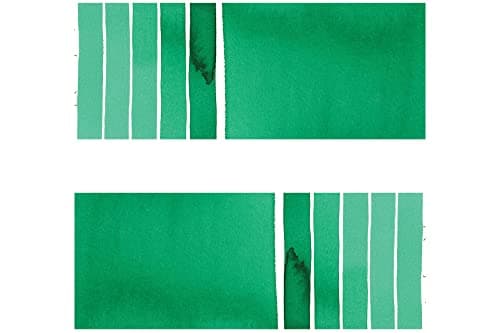
Emily Lex Watercolor Paint Set
Balanced
4.9(852)

Emily Lex Watercolor Paint Set

$6.87

Walmart - kuweot
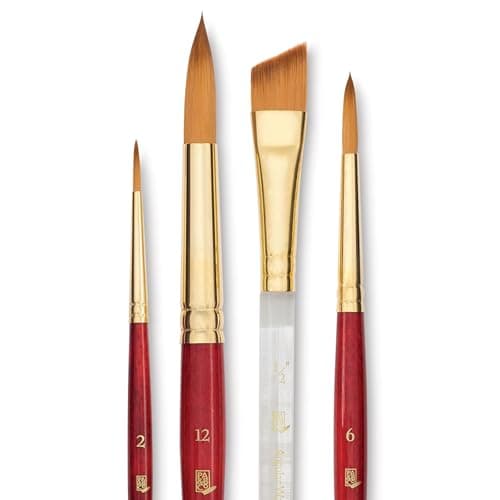
Artist's Loft Synthetic Watercolor Round 12 Piece Brush Set
Balanced
4.4(235)

Artist's Loft Synthetic Watercolor Round 12 Piece Brush Set

$5.99

Michaels Stores
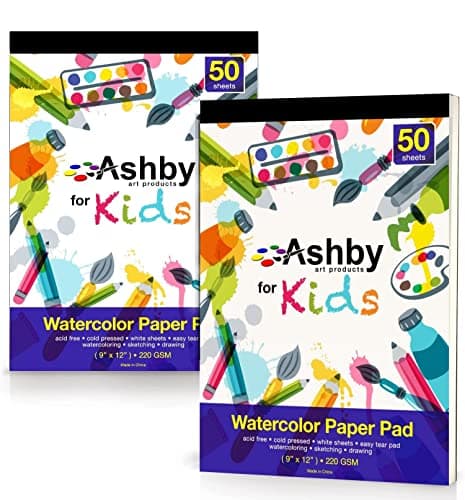
Strathmore 300 Series Watercolor Pad
Balanced
4.7(124)

Strathmore 300 Series Watercolor Pad

$7.17

Blick Art Materials
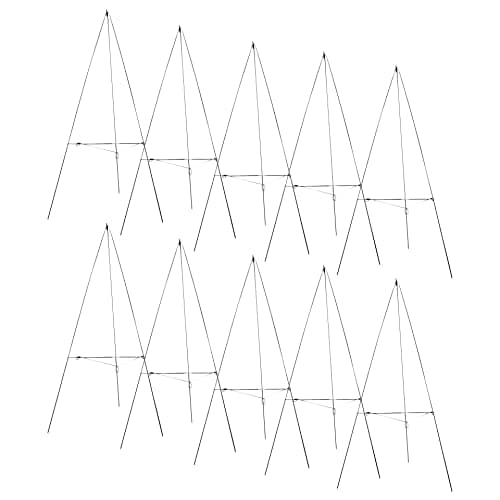
SoHo Urban Artist Tabletop Easel
Balanced
4.9(203)

SoHo Urban Artist Tabletop Easel

$11.79

Jerry's Artarama Art Supplies

Frequently Asked Questions

What is the difference between student-grade and artist-grade watercolor paints?
Student-grade paints use less pigment and more filler, which means colors are less vibrant and may not mix as cleanly. Artist-grade paints have higher pigment concentrations, better lightfastness (resistance to fading over time), and richer color payoff. For beginners, a student-grade set from a reputable brand like Winsor & Newton Cotman or Sakura Koi is a solid starting point. As your skills develop, you can gradually replace individual colors with artist-grade tubes or pans for better results.
How many brushes do I actually need to start watercolor painting?
You only need three to four brushes to cover most watercolor techniques as a beginner. A large round brush (size 12 or 14) handles broad washes and backgrounds, a medium round brush (size 6 or 8) is your all-purpose workhorse for most painting, a small detail brush (size 2 or 4) handles fine lines and details, and optionally a flat wash brush helps with large even areas of color. Round brushes are especially versatile in watercolor because they hold water well and come to a fine point. Look for brushes labeled as suitable for watercolor, and synthetic or synthetic-blend brushes are a budget-friendly starting choice.
Why does watercolor paper matter so much, and what weight should I buy?
Watercolor paper is arguably the most important supply purchase you will make. Regular drawing or printer paper warps, buckles, and bleeds when wet, making it nearly impossible to control your paint. Proper watercolor paper is thick, textured, and sized to absorb water in a controlled way. Look for paper that is at least 140 lb (300 gsm), which is the most popular weight and handles multiple wet washes without excessive buckling. Cold-press paper has a slightly textured surface ideal for most techniques, while hot-press is smooth and better for detailed work. Brands like Arches, Fabriano, and Strathmore offer reliable options at various price points.
Do I need a dedicated easel for watercolor painting, or can I use something else?
Unlike oil painting, watercolor is often done on a nearly flat or slightly tilted surface rather than a fully upright easel, because gravity affects how wet paint flows. A tabletop easel or a simple drawing board propped at a 15 to 30 degree angle works very well for most watercolor work. If you want a freestanding easel, look for one that allows you to adjust the angle to nearly horizontal. A French easel or a sturdy A-frame easel with an adjustable tilt are popular choices for painters who work both indoors and outdoors. Many beginners simply use a clipboard, a piece of foam board, or a wooden drawing board on a table, which is completely effective.
Should I buy a paint set or individual tubes and pans for watercolor?
For beginners, a pre-made set is the most practical and cost-effective way to start. Sets take the guesswork out of color selection and are typically cheaper than buying the same items individually. Pan sets are convenient, portable, and low-mess, making them great for outdoor or travel painting. Tube paints offer more pigment flexibility and are better for mixing larger quantities of color, which is useful for paintings with big washes. A good beginner strategy is to start with a pan set of 12 to 24 colors to learn color mixing, then add individual tubes of your most-used colors as you identify what you reach for most often.

Want a cart customized to your exact needs?

Build your own custom cart →