What to Buy for a 72-Hour Emergency Preparedness Kit for a Family of Four
A 72-hour emergency preparedness kit is designed to sustain your family for three days in the event of a natural disaster, power outage, or other crisis where you may need to shelter in place or evacuate quickly. For a family of four, this means carefully calculating supplies like water, food, and medications to ensure everyone, including children and pets, has what they need to stay safe and comfortable. FEMA and the American Red Cross both recommend that every household maintain a kit like this, and building one from scratch is more straightforward than most people expect.
The core categories to focus on are water, food, first aid, light and communication, and important documents. Water is the most critical element, you'll need at least one gallon per person per day, meaning a minimum of 12 gallons for a family of four over 72 hours. Non-perishable foods should require little to no cooking, and you should account for any dietary restrictions or allergies within your household. A hand-crank or battery-powered radio, flashlights with extra batteries, and a fully stocked first aid kit round out the essentials.
Beyond the basics, a well-built kit also includes copies of vital documents like birth certificates, insurance policies, and medical records stored in a waterproof container. Comfort items, cash in small bills, a manual can opener, and sanitation supplies like wet wipes and hand sanitizer can make a significant difference during a stressful situation. Building your kit incrementally over a few weeks can help spread out the cost, and storing it in a designated, easily accessible location, such as a large backpack or rolling bin, ensures your family can grab it and go at a moment's notice.
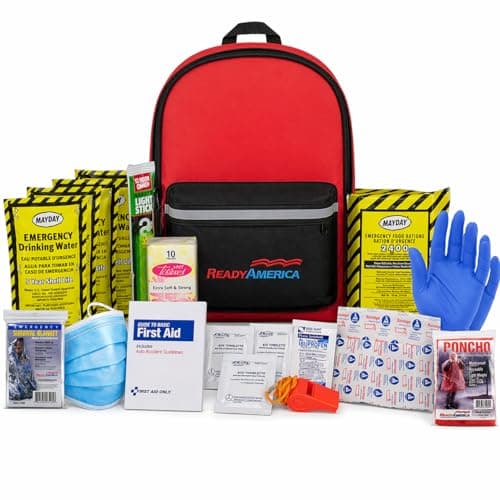
Ready America 70180 72 Hour Emergency Kit, 1-Person, 3-Day Backpack, Includes First Aid Kit, Survival Blanket, Emergency Food Portable Disaster Preparedness Go-Bag for Earthquake, Fire, Flood
$24.99
Amazon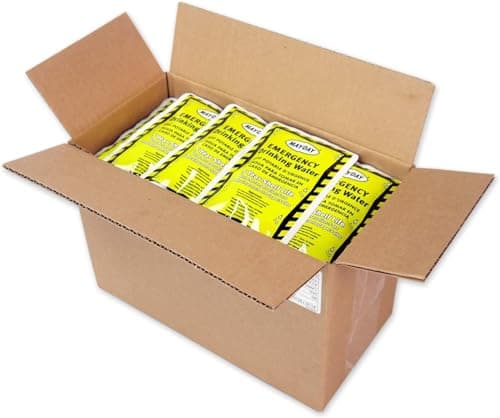
Mayday Emergency Water Pounches Case of 100. Emergency Preparedness, Survival and Backpacking
$52.40
Amazon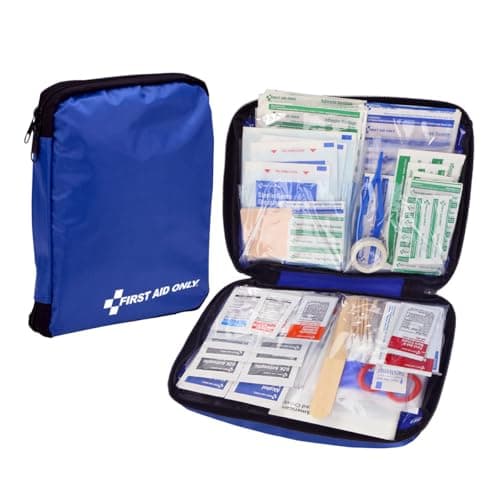
First Aid Only 298 Piece All-Purpose Emergency First Aid Kit for Home, Office, Car, Apartment, Dorm, and Camping, Travel-Friendly Compact Pouch Fits in Backpacks, Suitcases, Cabinets, and Drawers
$19.85
Amazon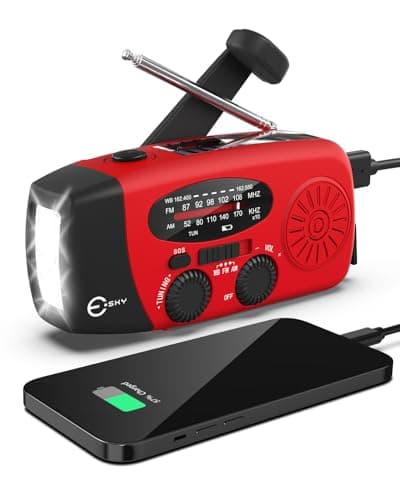
Esky Emergency Hand Crank Radio 7400mWh with 3 LED Flashlight, AM/FM/NOAA Portable Weather Radio with Rechargeable 2000mAh Battery, Solar Powered Radio for Indoor Outdoor Survival Camping, SOS Alarm
$15.59
Amazon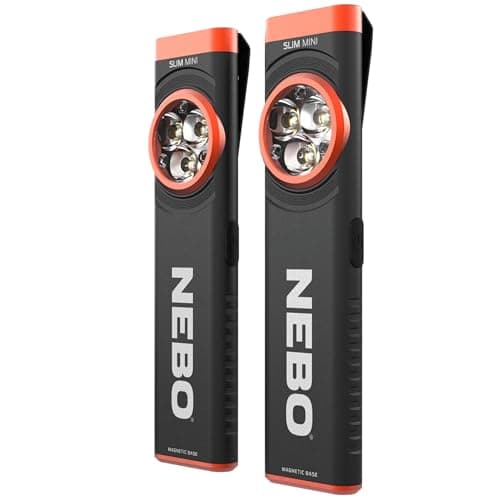
NEBO Slim Mini Pocket Light 2-Pack | Rechargeable, 250 Lumens, 2 Light Modes, Small Flashlight for EDC & Emergencies, Magnetic Base, Lightweight, Water Resistant & Durable, Includes Charging Cable
$34.99
Amazon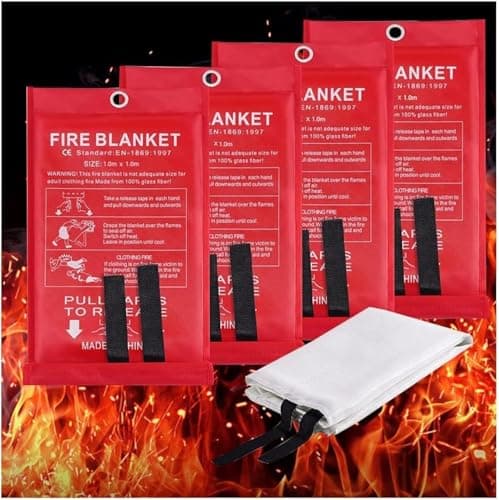
Mata Leon Emergency Fire Blankets Fire Retardant Blankets 4 Pack Fiberglass Fire Suppression Blanket Flame Retardant Protection&Heat Insulation Design for Kitchen Office Fireplace Car Camping
$17.99
Amazon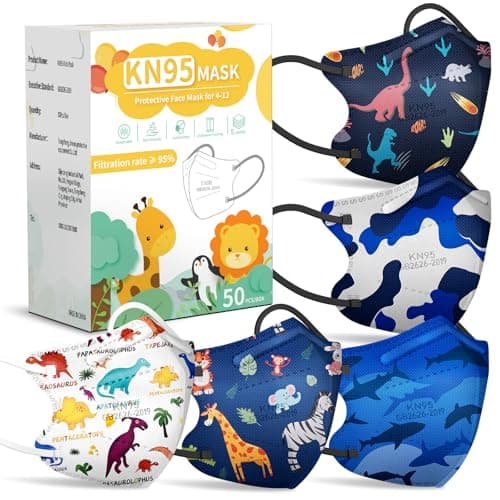
FENFEN Kids KN95 Face Mask Disposable - Kid KN 95 Masks Children Small Size Breathable Boys Kids KN95 Mask Mascaras KN95 Para Niños 50 Pack
$9.99
Amazon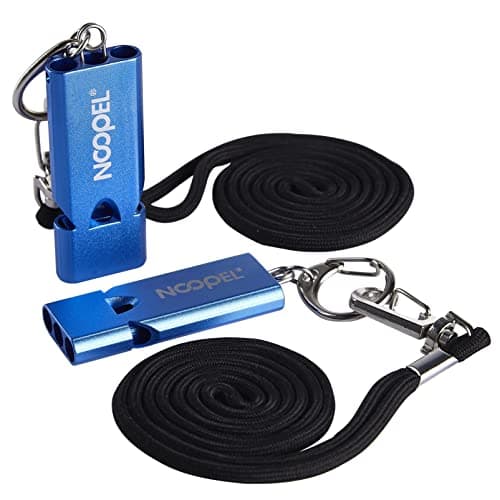
Whistle Emergency Noopel Three Tubes Survival Whistles 2 Pack with Lanyard for Hiking Camping Kayak Sports Outdoor Safety Kids Lifeguard Rescue Signaling (Blue)
$9.99
AmazonFrequently Asked Questions
How much water do I need for a 72-hour kit for a family of four?▼
What foods are best to include in a family emergency kit?▼
What should a first aid kit for a family of four include?▼
How do I store a 72-hour kit so it's ready to use in an emergency?▼
Are there any special items I should add for children or infants in the family?▼
Want a cart customized to your exact needs?
Build your own custom cart →