What to Buy for a Daily Home Yoga Practice

Starting a daily yoga practice at home is one of the most rewarding commitments you can make for your physical and mental wellbeing. Unlike a gym membership, home yoga requires only a modest investment in a few key pieces of equipment, and the right choices early on can make a significant difference in your comfort, safety, and consistency. Whether you are a complete beginner or returning to the practice after a break, having the proper gear removes unnecessary friction and helps you show up on the mat every day.

The foundation of any home yoga setup is a quality mat. Not all mats are created equal — thickness, grip, material, and size all affect how comfortable and stable you feel during your practice. Alongside the mat, yoga blocks are an underrated tool that make poses more accessible for beginners and help practitioners of all levels deepen stretches and improve alignment. Many people skip blocks at first and later wish they had bought them sooner, as they genuinely expand what your body can do safely.

Clothing is equally important and often overlooked. Yoga-specific clothing is designed to move with your body, stay in place during inversions, and manage moisture during more active flows. The right outfit means you can focus entirely on your breath and movement rather than adjusting what you are wearing. This guide covers everything you need to know before purchasing a mat, blocks, and clothing so you can build a sustainable daily practice with confidence.
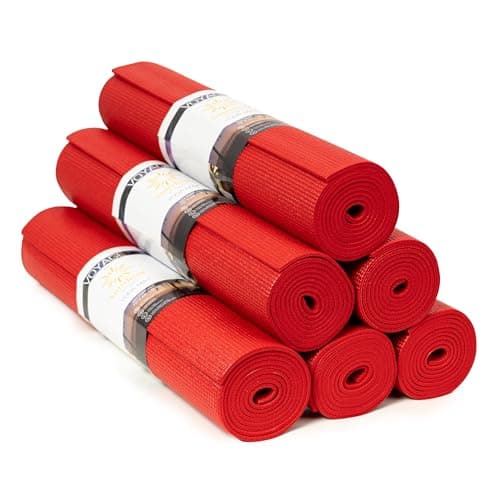
Sunshine Yoga Voyage Yoga Mat, 6 Pack, 72" x 24" Professional Studio and Gym Bulk Yoga Mats, 5mm Thick, Durable, Anti-Tear, Non Slip Fitness and Exercise Mats, Red
Balanced
4.0+

Sunshine Yoga Voyage Yoga Mat, 6 Pack, 72" x 24" Professional Studio and Gym Bulk Yoga Mats, 5mm Thick, Durable, Anti-Tear, Non Slip Fitness and Exercise Mats, Red

$94.99

Amazon
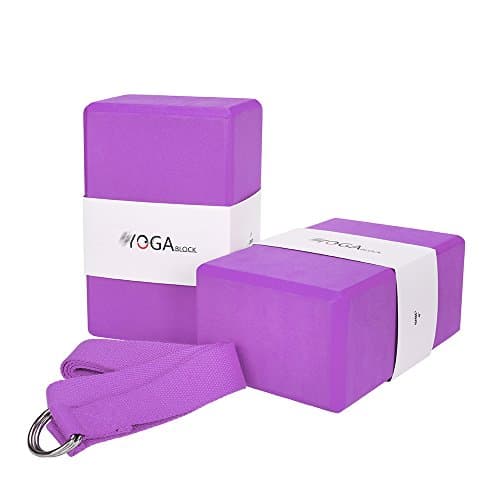
JBM Yoga Block 2 Pack Plus Strap - Cork and High Density EVA Foam Brick in 6 Colors - Lightweight, Odor-Resistant, Moisture-Proof With Metal D-Ring to Support and Deepen Poses
Balanced
4.0+

JBM Yoga Block 2 Pack Plus Strap - Cork and High Density EVA Foam Brick in 6 Colors - Lightweight, Odor-Resistant, Moisture-Proof With Metal D-Ring to Support and Deepen Poses

$19.98

Amazon
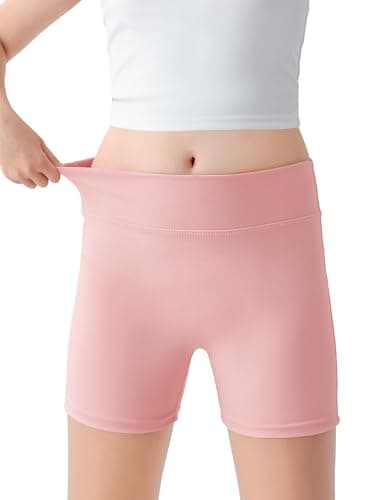
Girls Athletic Shorts High Waisted 4-Way Stretch, Tagless Flat Waistband, No Front Seam for Biker Gymnastics Dance Yoga Nude Pink
Balanced
4.0+

Girls Athletic Shorts High Waisted 4-Way Stretch, Tagless Flat Waistband, No Front Seam for Biker Gymnastics Dance Yoga Nude Pink

$9.99

Amazon
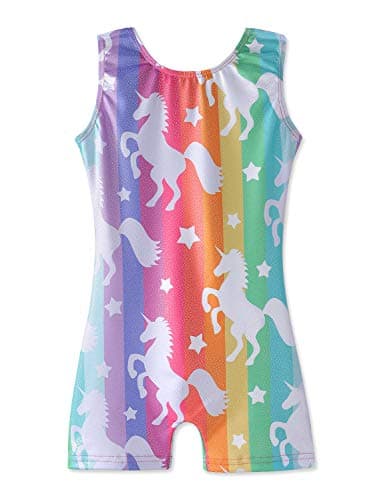
HOZIY Leotards for Girls Gymnastics Unicorn 4t 5t Kids Leo Child Biketards Bodysuits Crop Tops for Girls Tumbling Outfits Unitard Sparkle
Balanced
4.0+

HOZIY Leotards for Girls Gymnastics Unicorn 4t 5t Kids Leo Child Biketards Bodysuits Crop Tops for Girls Tumbling Outfits Unitard Sparkle

$9.38

Amazon

Frequently Asked Questions

What thickness yoga mat is best for a daily home practice?
For most people, a mat between 4mm and 6mm thick offers the best balance of cushioning and stability. A 4mm mat gives you good ground feel for balance poses, which is important for proper alignment. If you have sensitive knees or joints, a 6mm mat provides extra padding during kneeling poses. Avoid ultra-thin travel mats (1-2mm) as your primary mat since they offer little cushioning for daily use. If you practice on a hard floor like tile or hardwood, leaning toward 5-6mm is a smart choice for joint protection over time.
Are yoga blocks really necessary for beginners?
Yes, yoga blocks are highly recommended for beginners and even experienced practitioners. They bring the floor closer to you in poses like triangle pose and half moon, allowing you to maintain proper alignment rather than collapsing or straining to reach the ground. Blocks also support seated forward folds, restorative poses, and chest openers. Most teachers suggest buying two blocks so you have one for each hand when needed. Cork blocks are heavier and more stable but pricier, while foam blocks are lightweight, affordable, and perfectly suitable for most home practitioners.
What should I look for in yoga clothing for a home practice?
Look for clothing with four-way stretch fabric that moves freely in all directions without restricting movement. For bottoms, fitted or tapered styles work best because loose fabric can fall over your face during forward folds or inversions. High-waisted leggings or shorts with a secure waistband prevent constant readjusting. For tops, choose something that stays tucked in during downward dog and other inverted positions — fitted tanks or cropped tops with a bit of length work well. Moisture-wicking fabric is helpful if you practice more vigorous styles like vinyasa, while natural fabrics like bamboo are comfortable for gentler practices.
How do I know if a yoga mat has good grip?
Grip is primarily determined by the mat's material and surface texture. Natural rubber mats offer superior grip, especially as you sweat, and are considered the gold standard for grip performance. PVC mats are also very grippy when dry but can become slippery when wet. TPE mats fall somewhere in between. Look for mats with a textured or patterned surface, as these channels help disperse moisture and maintain traction. Reading user reviews specifically mentioning grip during sweaty sessions is the best way to gauge real-world performance before purchasing. If you tend to sweat heavily, you may also want to pair your mat with a microfiber yoga towel.
How much should I budget for a complete beginner yoga setup?
A functional beginner setup including a mat, two blocks, and one or two yoga outfits can be assembled for roughly $80 to $150. A decent quality mat typically costs $30 to $80, with premium options from brands like Manduka or Liforme running $100 or more but lasting many years. A pair of foam blocks usually costs $15 to $25, and cork blocks run $25 to $40 for a set. One yoga outfit — leggings and a top — can cost anywhere from $25 for budget-friendly options to $80 or more for premium brands like Lululemon or Alo. Starting with mid-range options lets you evaluate what features matter most to you before investing in premium gear.

Want a cart customized to your exact needs?

Build your own custom cart →