What to Buy for Starting a Vegetable Garden in Your Backyard
Starting a backyard vegetable garden is one of the most rewarding home projects you can take on, offering fresh produce, outdoor activity, and a deeper connection to your food. Before you dig in, it helps to understand the three core categories you'll need to invest in: quality tools to prepare and maintain your beds, the right soil and amendments to give your plants a strong foundation, and starter plants or seeds suited to your climate and growing season. Getting these basics right from the start will save you time, money, and frustration down the road.
When it comes to tools, you don't need to buy everything at once. A sturdy garden fork or spade, a hand trowel, a hoe, and a watering can or garden hose with an adjustable nozzle will cover most of what a beginner needs. As your garden grows, you can add specialized tools like pruners, a cultivator, or a soil knife. Investing in mid-range, well-reviewed tools rather than the cheapest options will pay off in durability and ease of use over multiple growing seasons.
For soil, most backyard gardeners benefit from raising the quality of their native ground by mixing in compost, aged manure, or a bagged vegetable garden soil blend. Raised beds are a popular option for beginners because they give you full control over soil quality and drainage. When selecting starter plants, look for varieties labeled as beginner-friendly, such as tomatoes, zucchini, lettuce, green beans, and herbs like basil and parsley. Local nurseries can advise on the best varieties for your specific region and planting window.
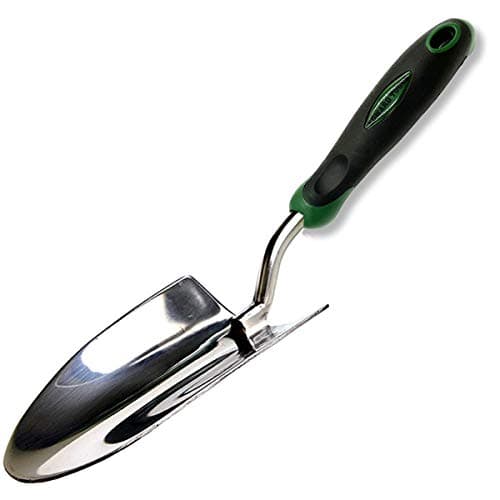
Edward Tools Bend-Proof Garden Trowel - Heavy Duty Polished Stainless Steel - Rust Resistant Oversized Garden Hand Shovel for Quicker Work - Digs Through Rocky/Heavy soils - Comfort Grip (1)
$8.95
Amazon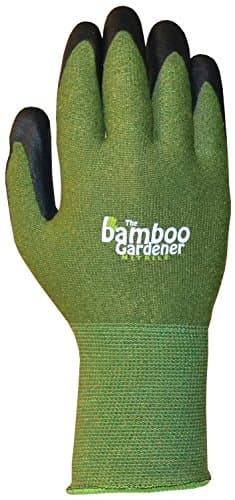
Bellingham C5371M The Bamboo Gardener Work Gloves, Made of Sustainable Bamboo Rayon Fiber, Durable Nitrile Palm and Fingers, Medium, Green
$9.99
Amazon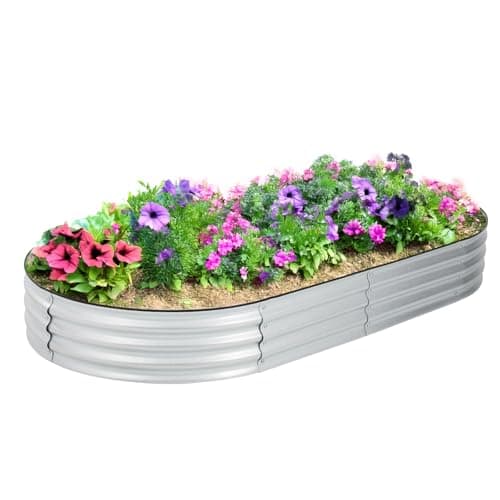
Backyard Expressions Home Galvanized Raised Garden Bed Kit 8x4x1ft, Planter Box Raised Garden Beds Outdoor, Easy Assembly Metal Raised Bed for Gardening Vegetables, Fruits, Flowers - Silver
$39.34
Amazon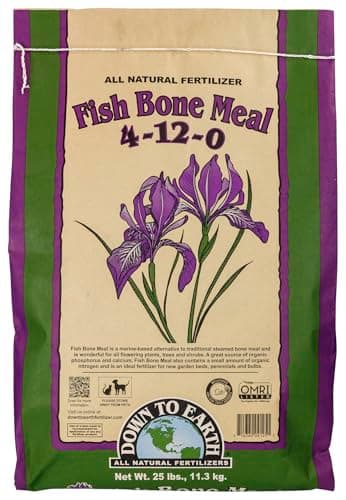
Down To Earth All Natural Fertilizers Organic Fish Bone Meal - High Phosphorus Plant Food for Buds, Bulbs, Blooms, Flower Beds 4-12-0, 25 lb
$58.84
Amazon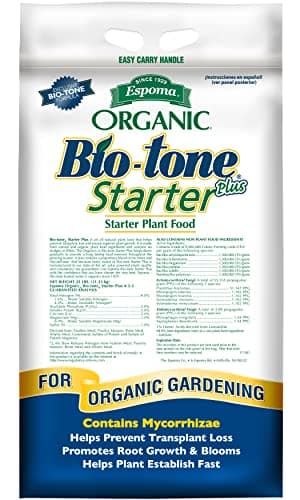
Espoma Organic Bio-Tone Starter Plus 4-3-3 Natural & Organic Starter Plant Food with Both Endo & Ecto Mycorrhizae; 25 lb. Bag; The Ultimate Starter Plant Food
$51.06
Amazon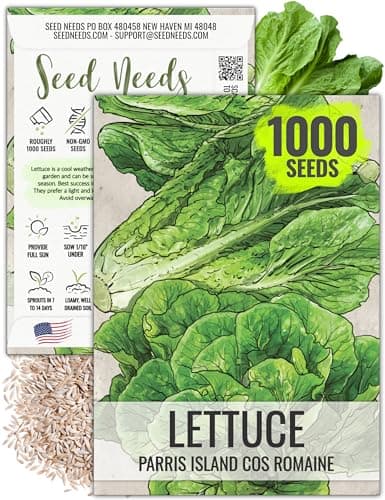
Seed Needs Romaine Lettuce Seeds for Planting Parris Island COS - Non-GMO Heirloom & Untreated Annual Cool Weather Crops - Grow a Home Grown Outdoor Vegetable Garden (1 Pack)
$3.99
Amazon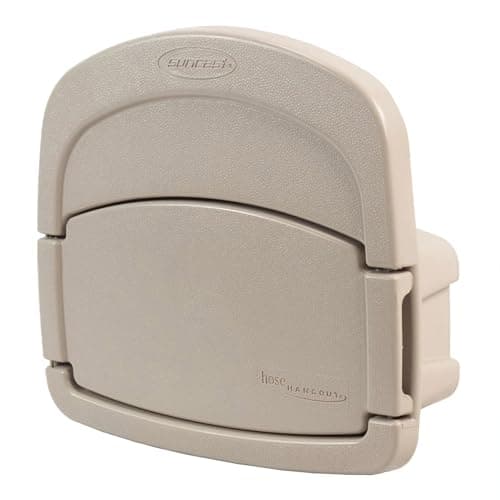
Suncast CPLDHH15000 Deluxe Garden Hangout with 150-Foot Capacity And Enclosed Storage Compartment, DHH150 Hose Hanger, No Size, Light Taupe
$17.99
Amazon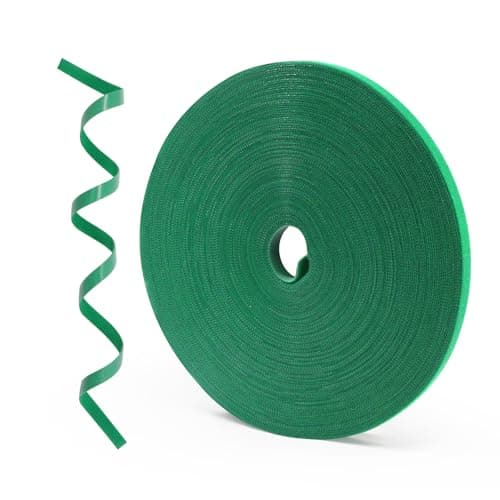
SumDirect Plant Tape 75 ft Plant Ties for Climbing Plants Garden Twist Ties Plants Adjustable Green Garden Tape for Plants, Flowers, Vines and Tree (75 ft x 1/2 in)
$7.59
AmazonFrequently Asked Questions
What essential tools do I need to start a vegetable garden?▼
What type of soil should I buy for a vegetable garden?▼
Should I start from seeds or buy starter plants?▼
What are the easiest vegetables to grow for beginners?▼
How much should I expect to spend to start a backyard vegetable garden?▼
Want a cart customized to your exact needs?
Build your own custom cart →