What to Buy for Starting Bird Watching as a Hobby

Bird watching is one of the most rewarding outdoor hobbies you can pick up, requiring minimal investment to get started yet offering a lifetime of discovery. Whether you plan to watch birds from your backyard, local parks, or on dedicated hiking trails, having the right equipment makes a significant difference in what you can see and how much you enjoy the experience. The good news is that you don't need to spend a fortune — a modest beginner setup can get you identifying dozens of species within your first few outings.

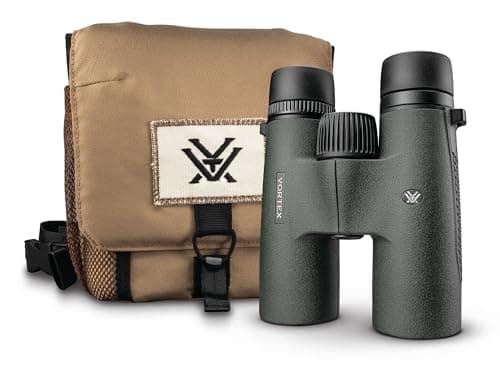
The three pillars of any bird watcher's kit are a reliable pair of binoculars, a quality field guide suited to your region, and appropriate outdoor clothing and gear. Binoculars are arguably the most important purchase you'll make, as they determine how clearly and how far you can observe birds without disturbing them. Field guides, whether printed books or smartphone apps, help you identify what you're seeing and learn about bird behavior, habitat, and migration patterns.

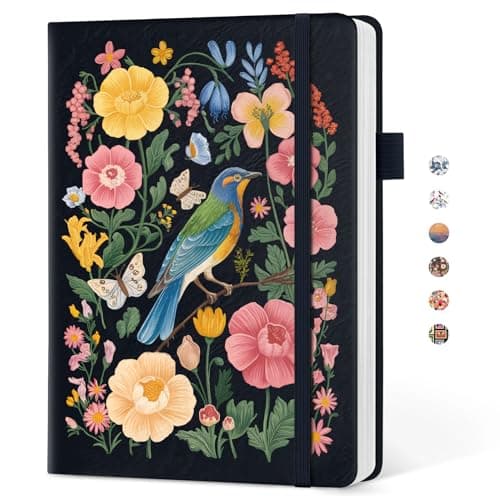
Beyond the basics, thoughtful outdoor gear choices — such as weatherproof layers, sturdy footwear, and a comfortable daypack — will keep you comfortable during long sessions in the field. Many experienced birders also recommend a notebook or birding journal to log sightings, which adds a satisfying record-keeping element to the hobby. Starting with quality essentials rather than cheap alternatives will save you money in the long run and keep you motivated as your skill and passion grow.

Barska Lucid View Compact Binoculars
Balanced
4.1(136)

Barska Lucid View Compact Binoculars

$49.99

DICK'S Sporting Goods
National Audubon Society Field Guide to North American Birds Eastern Region
Balanced
4.9(33)

National Audubon Society Field Guide to North American Birds Eastern Region

$7.17

Better World Books
Backpack Salomon Trailblazer 20
Balanced
4.8(636)

Backpack Salomon Trailblazer 20

$80.00

Neptune Mountaineering
Columbia Women's Switchback IV Jacket
Balanced
4.0(981)

Columbia Women's Switchback IV Jacket

$49.00

Columbia Sportswear
The North Face Men's Larimer Mid Waterproof Boots
Balanced
4.4(1,200)

The North Face Men's Larimer Mid Waterproof Boots

$90.00

Al's Sporting Goods
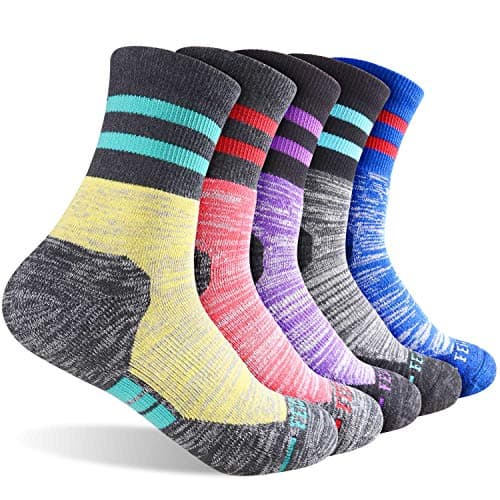
REI Co-op COOLMAX EcoMade Crew Socks
Balanced
4.5(126)

REI Co-op COOLMAX EcoMade Crew Socks

$11.95

REI
Sun Cube Wide Brim Sun Hat with Neck Flap Fishing Hiking for Men Women Safari
Balanced
4.8(54)

Sun Cube Wide Brim Sun Hat with Neck Flap Fishing Hiking for Men Women Safari

$17.99

Walmart - Caravan Group LLC
Ozark Trail 32 oz Stainless Steel Insulated Flip-Straw Water Bottle
Balanced
4.3(367)

Ozark Trail 32 oz Stainless Steel Insulated Flip-Straw Water Bottle

$13.73

Walmart

Frequently Asked Questions

What magnification should beginner bird watching binoculars have?
For beginners, 8x42 binoculars are widely considered the ideal starting point. The '8x' refers to the magnification power, which provides a wide, stable field of view without the hand-shake issues that come with higher magnifications like 10x or 12x. The '42' refers to the objective lens diameter in millimeters — larger lenses gather more light, making them better in low-light conditions like early morning or overcast days, which is when birds are most active. Binoculars in this configuration from reputable brands like Nikon Prostaff, Celestron, or Vortex Diamondback typically range from $100 to $300 and offer excellent value for new birders.
Should I buy a printed field guide or use a birding app?
Ideally, both. A printed regional field guide such as the Sibley Guide to Birds or the National Geographic Field Guide to Birds of North America is invaluable for learning identification features, understanding range maps, and studying birds away from a screen. Apps like Merlin Bird ID by the Cornell Lab of Ornithology offer incredible real-time features including photo identification and sound recognition, which can instantly help you identify a bird by its call. Many experienced birders use apps in the field for quick reference and consult printed guides at home for deeper study. Starting with a region-specific guide keeps the number of species manageable and makes identification more practical.
What clothing and footwear should I wear for bird watching?
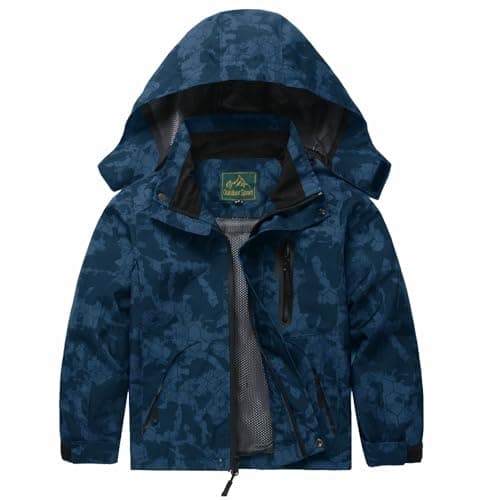
Bird watching often involves standing still for extended periods and walking through varied terrain, so comfort and practicality are key. Choose clothing in muted, natural colors like green, brown, tan, or grey to avoid startling birds — avoid bright colors or white. Layering is essential since early mornings can be cold even in summer. A moisture-wicking base layer, an insulating mid-layer, and a quiet, water-resistant outer shell jacket work well for most conditions. For footwear, waterproof hiking boots or trail shoes with good ankle support are ideal, especially if you'll be walking through dewy grass or wet trails. Avoid clothing that makes swishing or rustling noises when you move, as this can disturb birds and frustrate your experience.
What other gear and accessories do bird watchers typically need?
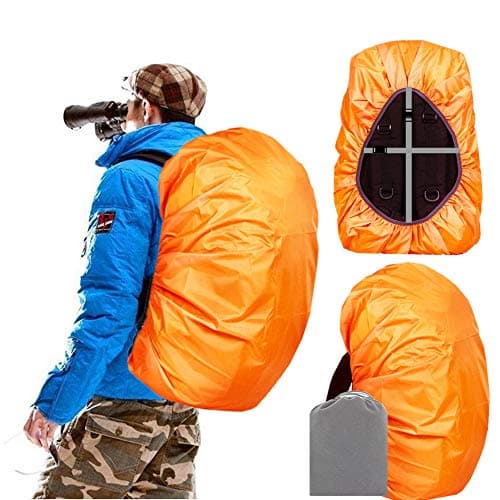
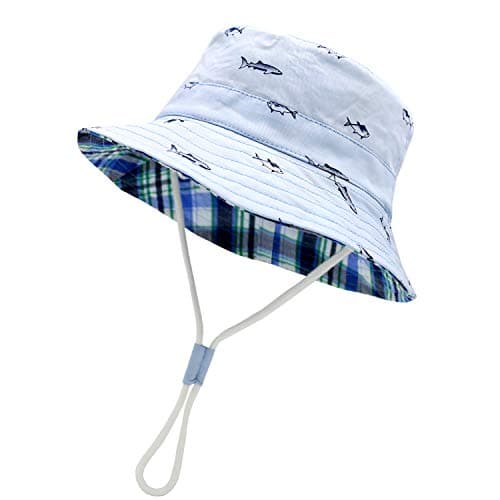
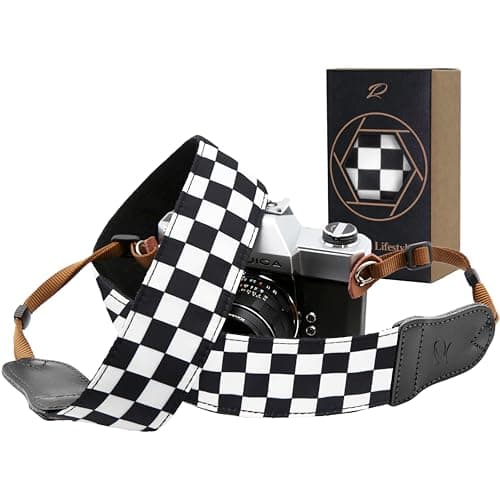
Beyond binoculars and a field guide, a few key accessories will enhance your outings considerably. A lightweight daypack lets you carry water, snacks, and gear comfortably. A binocular harness (rather than a neck strap) distributes weight across your chest and reduces neck fatigue during long sessions. A small notebook or dedicated birding journal is useful for logging species, dates, and locations. A hat with a brim helps reduce glare when scanning the sky or tree canopies. If you plan to bird in mosquito-prone areas, insect repellent and lightweight zip-off trousers are practical additions. As you advance, many birders invest in a spotting scope for long-distance viewing of waterfowl or birds of prey.
How much should a beginner expect to spend on a bird watching starter kit?
A solid beginner bird watching kit can be assembled for between $150 and $400 depending on the quality level you choose. Budget roughly $100 to $250 for a good pair of 8x42 binoculars from a trusted brand — this is where it pays to spend more, as cheap binoculars with poor optics quickly become frustrating and may discourage the hobby. A quality regional field guide typically costs $20 to $35. Outdoor clothing costs vary widely depending on what you already own, but expect to spend $50 to $150 on a good waterproof jacket and suitable footwear if you need to purchase them. Free or low-cost birding apps like Merlin Bird ID mean you don't need to budget for digital tools. Starting with quality binoculars and a good field guide is the most important investment.

Want a cart customized to your exact needs?

Build your own custom cart →