What to Buy for Taking Up Golf as a Beginner

Golf is one of the most rewarding sports to pick up, but getting started with the right equipment can feel overwhelming given the sheer number of options available. The good news is that you don't need to spend a fortune to get out on the course and start developing your game. Focusing on a quality starter set, comfortable footwear, and a few essential range accessories will set you up for an enjoyable learning experience without unnecessary expense.

A beginner club set typically includes a driver, fairway wood, a few irons, a wedge, and a putter — everything you need to play a full round. These sets are specifically designed with forgiveness in mind, meaning the clubheads are engineered to help off-center hits still travel reasonably straight and far. Brands like Callaway, Wilson, Cleveland, and Cobra all offer well-regarded starter sets in the $200–$500 range that will comfortably carry a new golfer through their first year or two of play.

Beyond the clubs, your footwear and range accessories matter more than most beginners expect. Golf shoes provide the grip and stability your swing depends on, preventing slipping at the moment of impact. Range accessories like a quality golf bag, practice balls, tees, a glove, and alignment sticks will make your practice sessions far more productive and help you build good habits from day one. Investing in the right starter kit now means you'll spend less time fighting your equipment and more time actually improving your game.

Top Flite 2024 XL 13-Piece Complete Set
Balanced
4.1(326)

Top Flite 2024 XL 13-Piece Complete Set

$299.99

DICK'S Sporting Goods
FootJoy Men's ProLite Golf Shoes
Balanced
4.6(328)

FootJoy Men's ProLite Golf Shoes

$43.00

Sierra
Costway Golf Stand Cart Bag
Balanced
4.6(277)

Costway Golf Stand Cart Bag

$75.99

Costway
Athletic Works Premium White Practice Plastic Golf Balls
Balanced
4.6(29)

Athletic Works Premium White Practice Plastic Golf Balls

$6.47

Walmart
Pride Professional Tee System ProLength 2 3/4" Golf Tees
Balanced
4.7(384)

Pride Professional Tee System ProLength 2 3/4" Golf Tees

$6.99

Carls Golfland
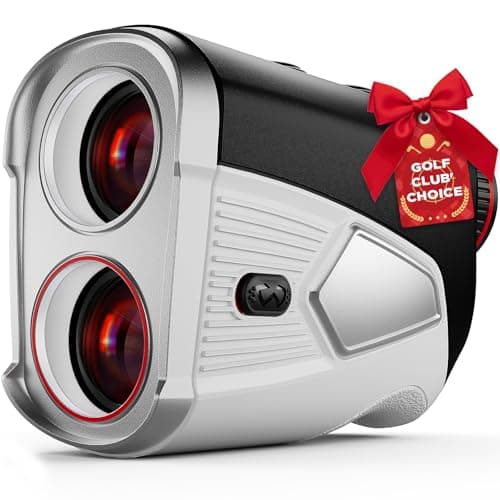
Blue Tees Golf Series 3 Max Rangefinder
Balanced
4.2(1,400)

Blue Tees Golf Series 3 Max Rangefinder

$69.99

2nd Swing Golf
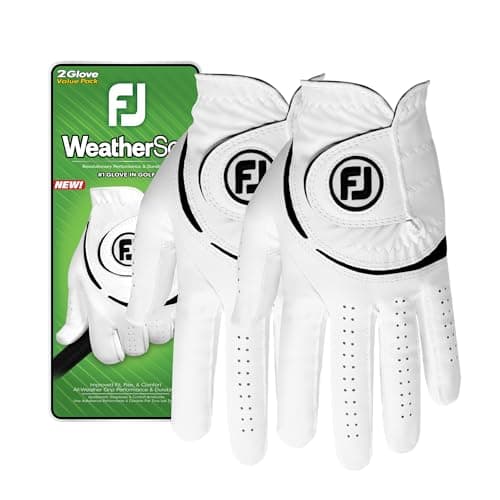
FootJoy Men's WeatherSof Golf Glove
Balanced
4.7(1,800)

FootJoy Men's WeatherSof Golf Glove

$12.97

Walmart
Clip Wipes Microfiber Golf Greens Towel
Balanced
4.6(61)

Clip Wipes Microfiber Golf Greens Towel

$9.99

PGA TOUR Superstore

Frequently Asked Questions

How many clubs should a beginner starter set include?
Most beginner starter sets include between 9 and 14 clubs, which is the maximum allowed on the course per the rules of golf. A solid starter set will typically feature a driver, a 3-wood or 5-wood, a hybrid, irons ranging from 5 or 6 through 9, a pitching wedge, a sand wedge, and a putter. You don't need all 14 clubs right away — in fact, many teaching professionals recommend beginners start with fewer clubs like a 7-iron, a hybrid, a wedge, and a putter to simplify learning. Look for sets that offer a good range without overwhelming you with choices.
Do I really need golf-specific shoes, or can I use regular athletic shoes?
Golf shoes are strongly recommended even for beginners. They provide lateral support and grip during your swing that regular sneakers simply can't match, and slipping at the point of impact is one of the most common causes of poor shots for new players. Modern golf shoes come in two main styles: spiked and spikeless. Spikeless shoes look similar to casual sneakers and are versatile enough to wear off the course, while spiked versions offer maximum grip in wet conditions. Many courses also require soft-spiked or spikeless shoes, so it's worth checking local policies. Entry-level golf shoes from brands like FootJoy, Adidas, and Skechers Golf start around $60–$100.
What range accessories should a beginner buy first?
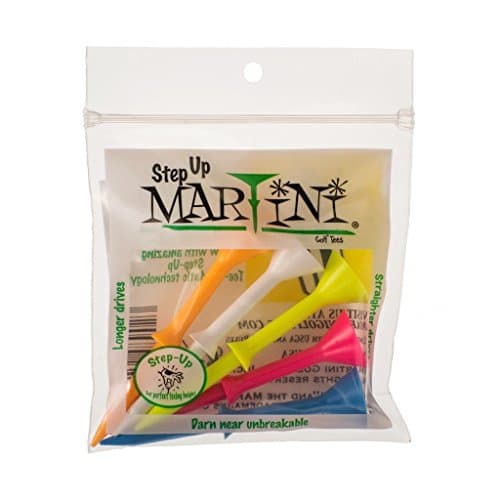
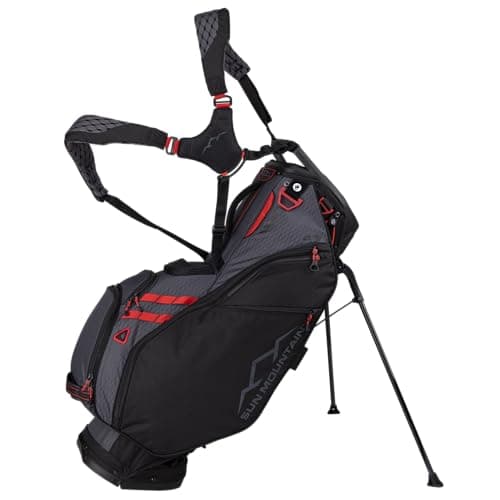
The most essential range accessories for a beginner include a golf glove, a bag of practice tees, alignment sticks, and a shag bag or a box of range balls if you're practicing at home. A golf glove worn on your lead hand improves grip and prevents blisters during long practice sessions. Alignment sticks are inexpensive training aids (usually under $20) that help you set up correctly and develop consistent swing paths — arguably the single most useful practice tool for beginners. If your starter set doesn't include a bag, a lightweight stand bag is ideal for range sessions and walking the course.
Should I buy a new or used starter golf set?
For most beginners, a used or refurbished starter set is an excellent choice and can save you 40–60% compared to buying new. Since your swing and equipment preferences will evolve significantly in your first year, it makes practical sense not to over-invest at the start. Websites like GlobalGolf, 2nd Swing, and eBay offer certified pre-owned clubs in good condition. If budget allows and you prefer buying new, entry-level sets from reputable brands offer solid quality and often come with a manufacturer warranty. Whichever route you choose, make sure the clubs are the right length and shaft flex for your height and swing speed.
What shaft flex should a beginner choose in their starter set?
Shaft flex refers to how much the club shaft bends during a swing, and choosing the right flex has a real impact on accuracy and distance. Most beginner golfers benefit from a Regular (R) flex shaft, which suits moderate swing speeds typically between 75–95 mph. If you swing particularly slowly, a Senior (A) or Ladies (L) flex may help you generate more distance. Conversely, if you already play another sport requiring explosive rotational movement and tend to swing hard, a Stiff (S) flex might be appropriate. Many starter sets default to Regular flex, which works well for the majority of new golfers. If you're unsure, visiting a local golf shop for a quick fitting or demo session is worth the time.

Want a cart customized to your exact needs?

Build your own custom cart →