What to Buy for Your First Kayaking Trip on a Lake

Heading out on your first lake kayaking trip is an exciting milestone, and having the right gear can make the difference between a safe, enjoyable experience and a frustrating one. Lakes are generally more forgiving than rivers or ocean paddling, but you still need reliable equipment that keeps you comfortable, in control, and protected on the water. The good news is that beginner-friendly gear is widely available at a range of price points, so you don't have to break the bank to get started.

The four essentials every first-time kayaker needs are a kayak, a paddle, a personal flotation device (PFD), and dry bags to protect your belongings. Each of these plays a specific role in your safety and comfort. A well-matched kayak gives you stability and easy maneuverability, while the right paddle reduces fatigue during longer outings. A properly fitted PFD is non-negotiable for safety, and dry bags ensure your phone, keys, snacks, and clothing stay protected if water splashes into the cockpit or you capsize.

Before purchasing, consider whether you plan to kayak regularly or just a few times a year, as this will influence whether buying or renting makes more sense for big-ticket items like the kayak itself. If you do decide to buy, focus on quality and fit over flashy features, especially for your first season. This guide walks you through the key buying considerations for each piece of gear so you can hit the water with confidence.
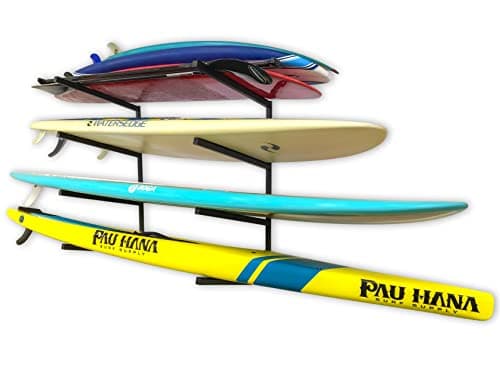
StoreYourBoard 4 Paddleboard Storage Rack, Adjustable Wall Mounted Indoor Garage Organizer, Standup Holds SUPs and Kayaks
Balanced
4.0+

StoreYourBoard 4 Paddleboard Storage Rack, Adjustable Wall Mounted Indoor Garage Organizer, Standup Holds SUPs and Kayaks

$159.99

Amazon
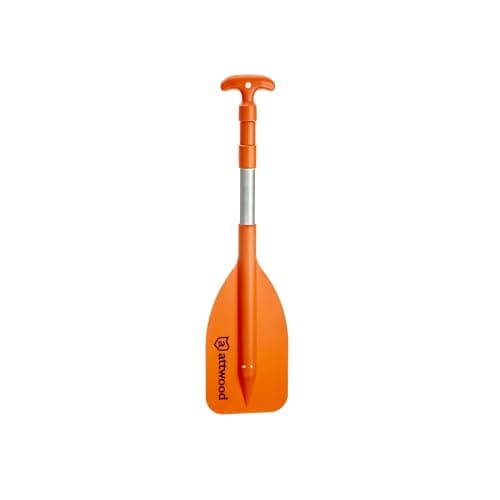
Attwood 24-inch to 54-inch Emergency Telescoping Paddle for Boating, Lightweight & Durable, High Visibility Orange, 11826-1
Balanced
4.0+

Attwood 24-inch to 54-inch Emergency Telescoping Paddle for Boating, Lightweight & Durable, High Visibility Orange, 11826-1

$26.99

Amazon
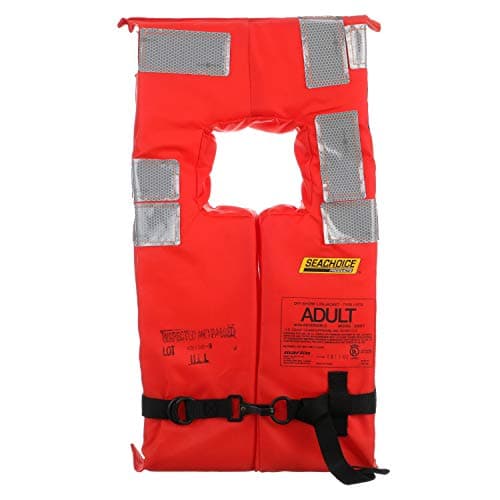
Seachoice Type I Commercial Offshore Vest, Fluorescent Orange, Reflective Panels, Adult, Over 90 Lbs.
Balanced
4.0+

Seachoice Type I Commercial Offshore Vest, Fluorescent Orange, Reflective Panels, Adult, Over 90 Lbs.

$62.75

Amazon
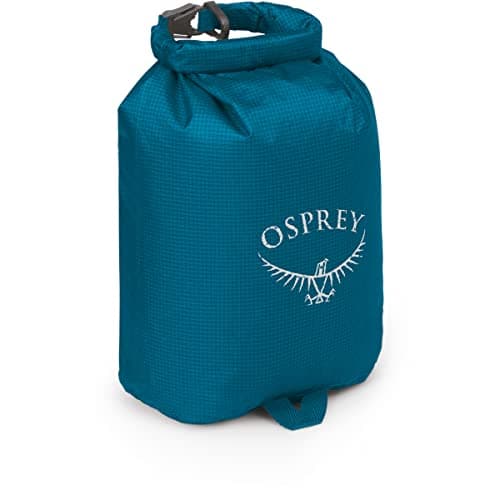
Osprey Ultralight 3L Waterproof Dry Sack, Waterfront Blue
Balanced
4.0+

Osprey Ultralight 3L Waterproof Dry Sack, Waterfront Blue

$20.00

Amazon

Frequently Asked Questions

What type of kayak is best for a beginner on a calm lake?
For flat-water lake paddling, a recreational kayak or sit-on-top kayak is ideal for beginners. Recreational kayaks are typically 10 to 12 feet long, offer a wide, stable hull, and have a large open cockpit that is easy to get in and out of. Sit-on-top kayaks are even more beginner-friendly because you can simply slide off if you tip over, making re-entry much easier. Look for a kayak with a width of at least 28 to 30 inches for added stability. Avoid narrow touring or sea kayaks until you have more experience, as they require better balance and paddling technique.
How do I choose the right kayak paddle size?
Paddle sizing depends on two main factors: your height and the width of your kayak. As a general rule, taller paddlers and those with wider kayaks need longer paddles. For most recreational lake kayakers, a paddle between 220cm and 240cm works well. If you are under 5'6" with a standard-width recreational kayak, start around 220cm to 230cm. If you are taller or have a wider boat, go up to 240cm. Also look for a lightweight material like fiberglass or carbon fiber if your budget allows, as a heavy aluminum paddle causes fatigue quickly on longer trips.
What should I look for in a personal flotation device (PFD) for kayaking?
Always choose a PFD specifically designed for paddling, labeled as a Type III personal flotation device. Kayaking PFDs are cut higher at the waist and hips so they don't ride up or interfere with your paddle stroke the way a bulky boating vest would. The most important factor is fit: your PFD should be snug but comfortable, with no more than a few inches of lift when you pull up on the shoulder straps. Look for models with adjustable straps, mesh panels for breathability, and front pockets to store small essentials like a whistle or snack. Never skip the PFD, even on calm lakes, as it is required by law in most regions and can save your life.
What size and type of dry bag do I need for a lake kayaking trip?
For a day trip on the lake, a combination of sizes works best. A 10-liter dry bag is great for your phone, wallet, and keys, while a 20 to 30-liter bag can hold a change of clothes, snacks, and a light jacket. Roll-top dry bags are the most reliable option for waterproofing, as they create a tight seal when rolled down three to four times and clipped. Look for bags made from durable PVC-coated or TPU-laminated fabric. It is also worth getting a smaller waterproof phone pouch that you can keep around your neck or attached to your PFD for easy access while on the water.
Should I buy or rent gear for my first kayaking trip?
If you are unsure whether kayaking will become a regular hobby, renting is a smart first step, particularly for the kayak itself, which is the most expensive item. Many lakes and outfitters offer hourly or full-day rentals that include a kayak, paddle, and PFD, letting you test the experience before committing to a purchase. However, buying your own PFD is almost always worth it even early on, since rental PFDs are often ill-fitting and worn. A dry bag is also inexpensive enough to purchase outright. If after one or two rental trips you are hooked, then investing in your own kayak and paddle becomes a much easier decision to justify.

Want a cart customized to your exact needs?

Build your own custom cart →