What to Buy for Adopting a Rescue Cat
Bringing a rescue cat home is an incredibly rewarding experience, but it requires some thoughtful preparation to help your new companion feel safe and settled. Rescue cats often come from uncertain backgrounds, so having the right supplies ready before they arrive can make a significant difference in how quickly they adjust to their new environment. A calm, well-equipped space gives your cat the security they need to begin building trust with you.
The essentials fall into a few key categories: a clean and accessible litter setup, nutritious food tailored to their age and health needs, engaging toys to encourage play and mental stimulation, and comfort items that help them feel at ease. Your adoption coordinator or shelter staff can provide valuable insight into the cat's personality and any specific preferences or sensitivities, so be sure to ask questions before you take them home.
Keep in mind that many rescue cats need a quiet decompression period of several days to a few weeks before they fully open up. Setting up a dedicated 'base room' with all their essentials, litter box, food, water, a hiding spot, and a cozy bed, allows them to acclimate at their own pace without feeling overwhelmed by an entire new home all at once. Patience and the right supplies go a long way in helping a rescue cat thrive.
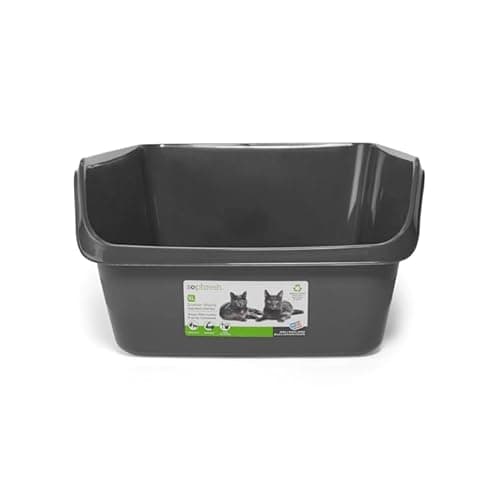
So Phresh by Petco Scatter Shield High-Back Litter Box Charcoal X-Large 24" L X 18" W X 10" H
$21.24
Amazon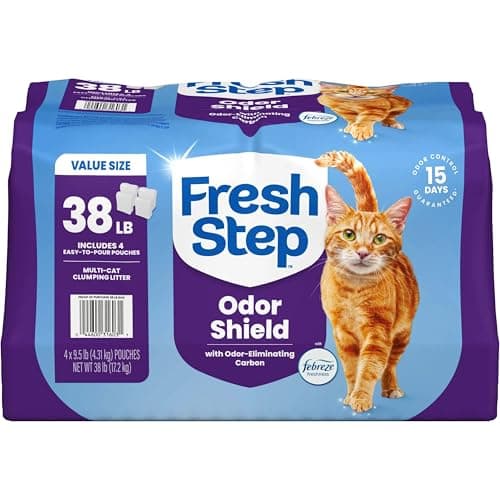
Fresh Step Clumping Cat Litter Multi-Cat Extra Strength Formula With Febreze Freshness, Multi Cat Litter With Ammonia Block Technology, 38 lbs. (4 x 9.5 lb. Bag)
$24.83
Amazon
Purina Fancy Feast Kitten Tender Salmon Feast Wet Kitten Food - (Pack of 24) 3 Oz. Cans
$23.04
Amazon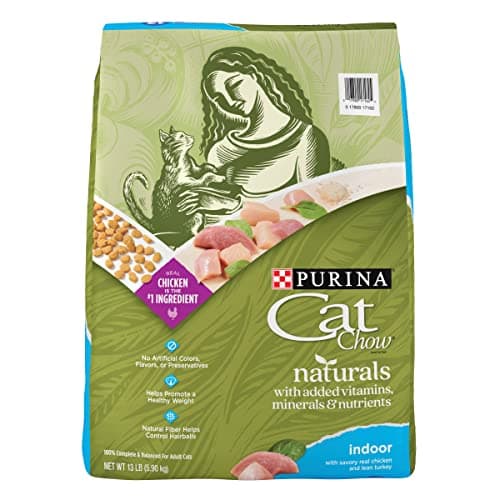
Purina Cat Chow Hairball, Healthy Weight, Indoor, Natural Dry Cat Food, Naturals Indoor - 13 lb. Bag
$16.98
Amazon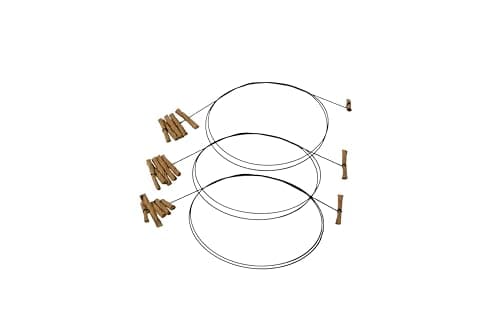
Cat Dancer Interactive Cat Toy - Fun and Fitness for Your Furry Friend - Engaging Paper Roll Attached with 30 Inches Flexible Spring Steel Wire for Playful Cats – 3 Pack
$12.99
Amazon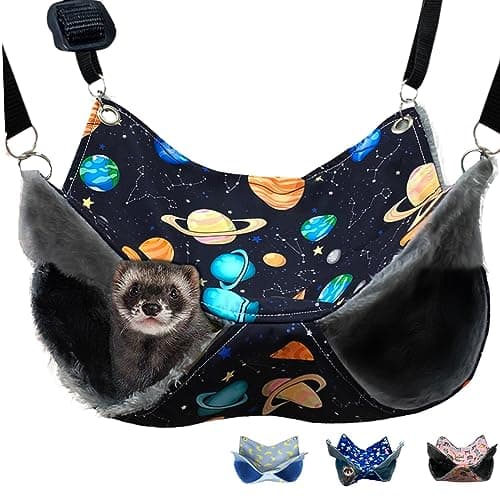
FULUE Ferret Rat Hammock Bed, Ferret Guinea Pig Nation Cage Accessories Kit Set Staff House and Hideouts Cave for Guinea Pig (Black Galaxy)
$16.99
Amazon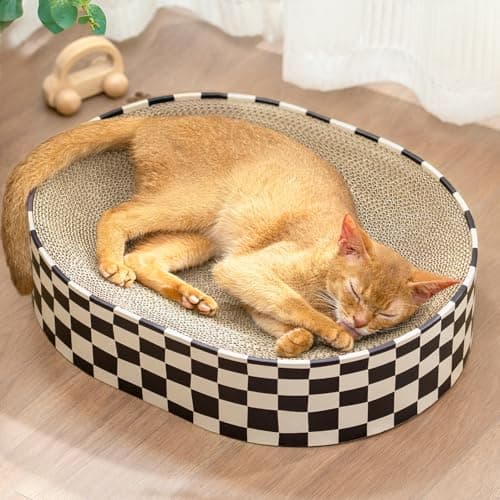
Conlun Cat Scratcher Cardboard,2 in 1 Oval Cat Scratch Pad Bowl for Indoor Kitty Grinding Claw,Round Kittens Scratching Board Corrugated Lounge Pet Beds&Furniture Protector for Sofas
$19.99
Amazon
Ceramic Cat Bowls with Non-Slip Silicone Bottom,6 Pack Cat Food Bowl,Anti Whisker Fatigue Cats Dishes for Indoor Cats,Healthy Ceramic Kitten Plates for Daily Feeding Gift Choice (Classic)
$19.99
AmazonFrequently Asked Questions
What type of litter box is best for a rescue cat?▼
What food should I buy for a newly adopted rescue cat?▼
What toys are best for a rescue cat that may be shy or anxious?▼
What comfort items help a rescue cat feel safe in a new home?▼
What other supplies should I have ready before bringing a rescue cat home?▼
Want a cart customized to your exact needs?
Build your own custom cart →