What to Buy for Starting Photography as a Hobby

Getting into photography is an exciting creative journey, and the good news is that a budget of $1,200 gives you plenty of room to build a solid beginner-to-intermediate setup without compromising on quality. The key is understanding where to prioritize your spending — the camera body matters, but lenses and accessories often have just as much impact on the quality of your photos. Taking time to research before buying will help you avoid common mistakes like overspending on a body while neglecting essential add-ons.

For most beginners, a mirrorless or DSLR camera in the $400–$700 range hits the sweet spot between capability and value. Popular entry-level options from brands like Sony, Canon, Fujifilm, and Nikon offer excellent image quality, intuitive controls, and access to a wide ecosystem of lenses and accessories that will grow with you as your skills improve. Many come bundled with a kit lens, which is a perfectly capable starting point for learning composition and exposure settings.

Once you've chosen your camera, the remaining budget should be distributed thoughtfully across a second versatile lens, memory cards, extra batteries, a sturdy camera bag, and a tripod. These items are not optional extras — they are practical necessities that will directly affect your shooting experience and the safety of your gear. Planning your full kit from the start ensures you're ready to shoot in a variety of situations from day one, rather than discovering gaps in your setup out in the field.
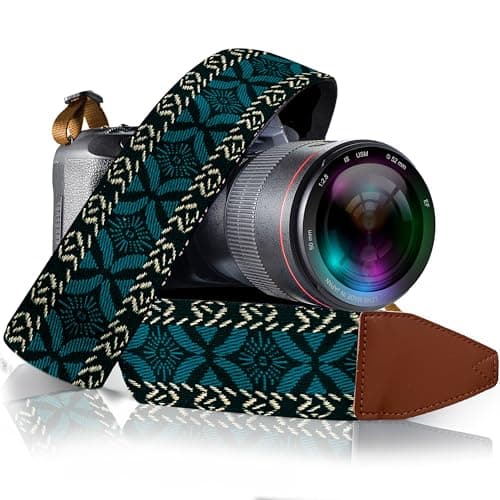
Art Tribute Camera Strap For Photographers Padded Universal Fit Neck Shoulder & Crossbody Strap Quick Release For DSLR/SLR/Mirrorless Canon Nikon Sony Olympus Compatible Great Gift for Photographers
Balanced
4.0+

Art Tribute Camera Strap For Photographers Padded Universal Fit Neck Shoulder & Crossbody Strap Quick Release For DSLR/SLR/Mirrorless Canon Nikon Sony Olympus Compatible Great Gift for Photographers

$15.95

Amazon
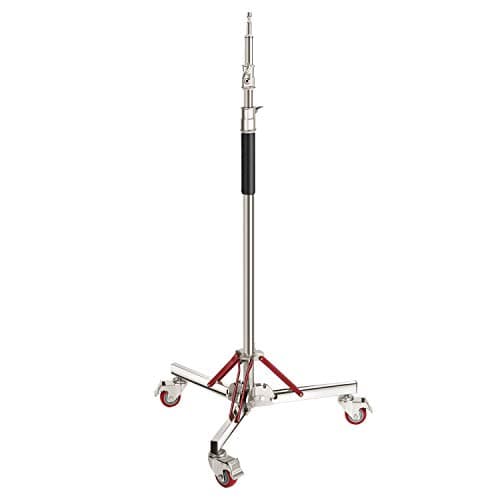
Neewer Heavy Duty Light Stand with Casters, Adjustable Tripod Stand with 100% Stainless Steel, Photography Wheeled Base Stand for Studio Softbox, Monolight, Reflector, Max Height: 10ft/305cm
Balanced
4.0+

Neewer Heavy Duty Light Stand with Casters, Adjustable Tripod Stand with 100% Stainless Steel, Photography Wheeled Base Stand for Studio Softbox, Monolight, Reflector, Max Height: 10ft/305cm

$133.04

Amazon
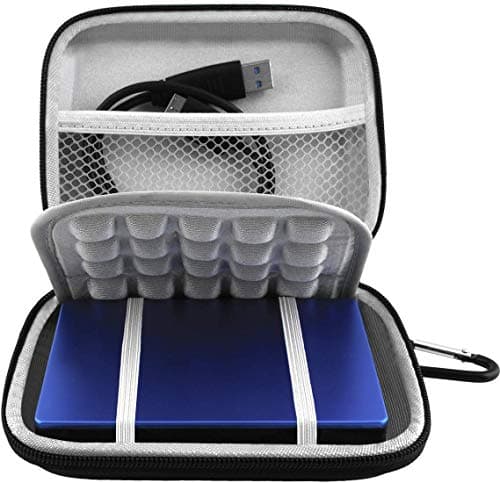
Lacdo Hard Drive Carrying Case for Seagate Portable/Seagate One Touch/Game Drive for PS5 / Ultra Touch Portable External Hard Drive HDD 1TB 2TB 4TB 5TB USB 3.0 Shockproof Travel Bag, Black
Balanced
4.0+

Lacdo Hard Drive Carrying Case for Seagate Portable/Seagate One Touch/Game Drive for PS5 / Ultra Touch Portable External Hard Drive HDD 1TB 2TB 4TB 5TB USB 3.0 Shockproof Travel Bag, Black

$9.99

Amazon
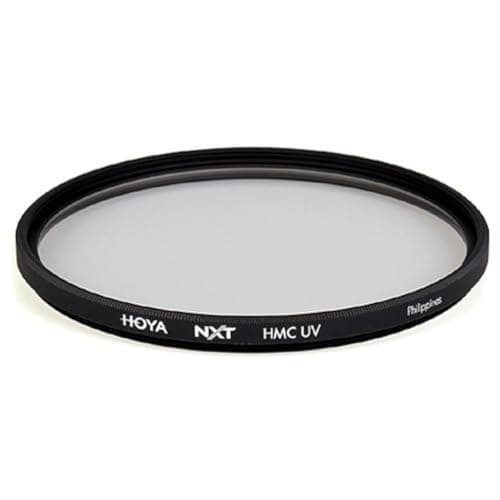
Hoya NXT HMC UV Multi Coated Slim Frame Glass Filter (52mm)
Balanced
4.0+

Hoya NXT HMC UV Multi Coated Slim Frame Glass Filter (52mm)

$14.00

Amazon
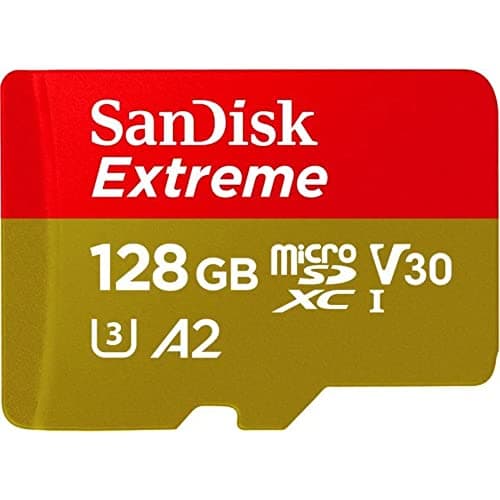
SanDisk 128GB Extreme microSD UHS I Card for 4K Video on Smartphones, Action Cams & Drones 190MB/s Read, 90MB/s Write SDSQXAA 128G GN6MN, Red/Gold
Balanced
4.0+

SanDisk 128GB Extreme microSD UHS I Card for 4K Video on Smartphones, Action Cams & Drones 190MB/s Read, 90MB/s Write SDSQXAA 128G GN6MN, Red/Gold

$38.41

Amazon
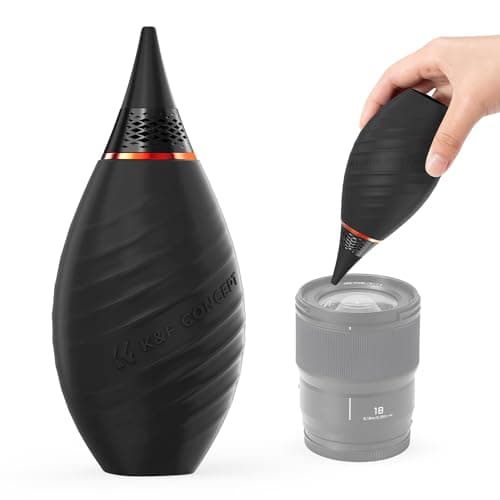
K&F CONCEPT Soft Tip Strong Air Blower, Single Air Intake Camera Lens Blower with Short Nozzle, for Digital SLR Lens Sensor LCD Screens Musical Instruments Keyboards Telescope Filters
Balanced
4.0+

K&F CONCEPT Soft Tip Strong Air Blower, Single Air Intake Camera Lens Blower with Short Nozzle, for Digital SLR Lens Sensor LCD Screens Musical Instruments Keyboards Telescope Filters

$15.70

Amazon
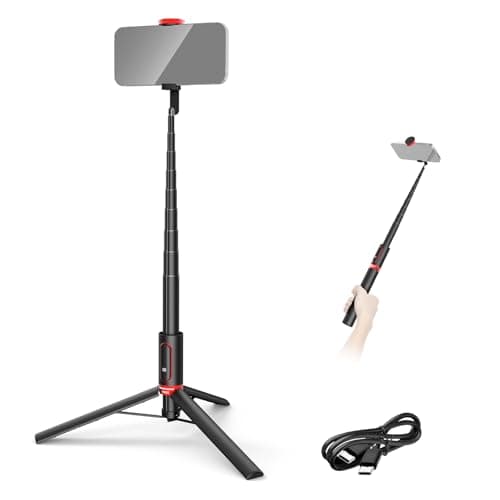
NEEWER Basics PA991 Selfie Stick Tripod Compatible with iPhone Samsung Android, 57.9 Inch Metal Portable Lightweight Travel Mobile Phone Stand with Holder & Remote Control for Video Recording
Balanced
4.0+

NEEWER Basics PA991 Selfie Stick Tripod Compatible with iPhone Samsung Android, 57.9 Inch Metal Portable Lightweight Travel Mobile Phone Stand with Holder & Remote Control for Video Recording

$15.39

Amazon

Frequently Asked Questions

Should I buy a DSLR or a mirrorless camera as a beginner?
Both are excellent choices, but mirrorless cameras are generally the better investment for new photographers in 2024. They are more compact, offer real-time exposure preview through the electronic viewfinder, and represent the direction the industry is heading — meaning lens ecosystems will continue to grow. DSLRs still offer longer battery life and a wider selection of used lenses at lower prices, which can stretch your budget further. If cost efficiency is your top priority, a used DSLR is hard to beat, but if you want a modern, future-proof system, go mirrorless.
How much of my $1,200 budget should I spend on the camera body versus accessories?
A good general breakdown for a $1,200 budget is: $450–$650 on a camera body with kit lens, $150–$250 on a second prime or zoom lens, $50–$80 on two or three memory cards (fast SD or CFexpress depending on your camera), $30–$60 on extra batteries, $50–$100 on a quality camera bag, and $50–$100 on a tripod or flexible gorillapod. This leaves a small buffer for lens filters or a cleaning kit. Resist the urge to spend the entire budget on the body — a versatile lens often improves your photos more than a higher-end camera body.
What is the best second lens to buy after the kit lens?
A 50mm prime lens (or its crop-sensor equivalent) is widely recommended as the ideal first upgrade lens. It is affordable — often between $100 and $200 — and its wide f/1.8 aperture allows you to shoot in low light and achieve the blurry background effect (bokeh) that kit lenses struggle to produce. Alternatively, a versatile 18-135mm or 18-200mm zoom lens is a great all-in-one option if you prefer not to swap lenses frequently. Choose based on what you plan to shoot: portraits and everyday photography benefit from a prime, while travel and outdoor shooting suit a wide-range zoom.
Do I really need a tripod as a beginner photographer?
Yes, a tripod is one of the most useful accessories you can own, even as a beginner. It allows you to shoot in low-light conditions without camera shake, experiment with long exposures and light trails, take sharp landscape photos, and even get yourself into group shots. You don't need to spend a lot — a sturdy aluminum tripod in the $50–$80 range is perfectly adequate for most beginners. If you plan to hike or travel frequently, consider a compact travel tripod or a flexible gorilla-style tripod that attaches to surfaces and fits in a backpack.
What memory card should I buy for my new camera?
Always buy name-brand memory cards from reputable manufacturers like SanDisk, Lexar, or Sony to avoid counterfeit cards that can fail and lose your photos. For most entry-level cameras, a UHS-I SD card with a write speed of at least 45 MB/s is sufficient, though a UHS-II card offers faster performance if your camera supports it. A 64GB card is a practical size for a day of shooting — buy at least two so you always have a backup available. Avoid the temptation to buy one very large card; spreading your photos across multiple cards reduces the risk of losing everything if one card fails.

Want a cart customized to your exact needs?

Build your own custom cart →