What to Buy for Indoor Rock Climbing as a Beginner

Indoor rock climbing is one of the fastest-growing fitness activities, offering a full-body workout that combines strength, flexibility, and mental problem-solving. Before your first visit to a climbing gym, it helps to understand which gear is essential to buy right away and what you can rent while you're still learning. Most climbing gyms offer rental shoes and harnesses, so beginners have the flexibility to try the sport before committing to purchases. That said, owning your own gear quickly becomes more comfortable and hygienic, especially if you plan to climb more than once or twice a month.

For new climbers, the four core purchases are climbing shoes, a harness, chalk with a chalk bag, and appropriate gym clothing. Climbing shoes are arguably the most impactful piece of gear since they directly affect your ability to grip footholds and progress in technique. A beginner-friendly shoe with a flat, neutral profile is far more comfortable for long sessions than the aggressive downturned shoes used by advanced climbers. A harness simply needs to fit snugly around your waist and legs, and entry-level options from reputable brands are perfectly safe and functional for gym use.

Climbing chalk helps keep your hands dry for a better grip, and while bouldering gyms sometimes restrict loose chalk, a chalk ball or liquid chalk is widely accepted. For clothing, the goal is unrestricted movement — think stretchy, form-fitting layers that won't snag on the wall or get in the way of your harness. Once you have these basics covered, you'll be well-equipped to focus on learning technique and building strength without distraction.
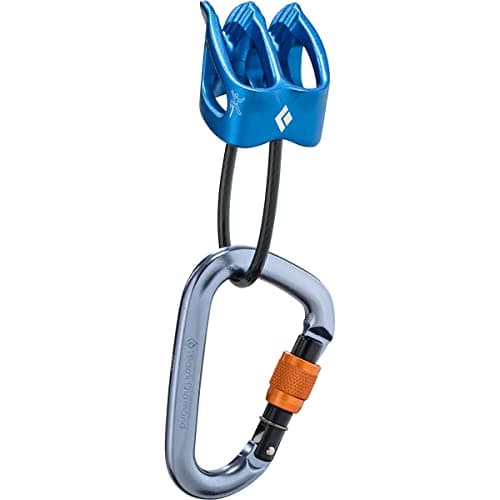
BLACK DIAMOND Big Air XP Belay Package | ATC-XP Device & Screwgate Carabiner | Reliable Belay Kit for Sport & Trad Rock Climbing
Balanced
4.0+

BLACK DIAMOND Big Air XP Belay Package | ATC-XP Device & Screwgate Carabiner | Reliable Belay Kit for Sport & Trad Rock Climbing

$54.95

Amazon
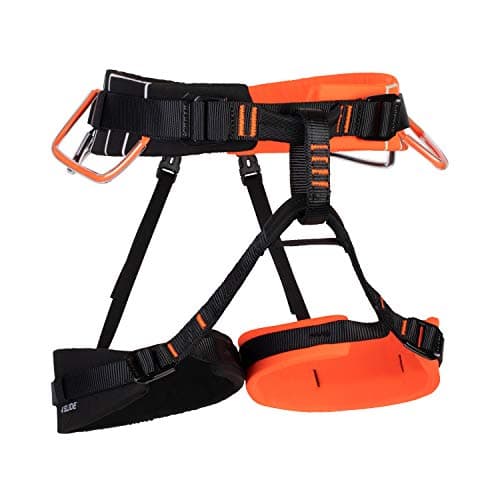
Mammut 4 Slide Climbing Harness – Adjustable Rock Climbing Harness with 4 Slide-Bloc Buckles & Wear Indicator, Comfortable Cushioned Fit for Indoor & Outdoor Climbing, Vibrant Orange-Black, XS-M
Balanced
4.0+

Mammut 4 Slide Climbing Harness – Adjustable Rock Climbing Harness with 4 Slide-Bloc Buckles & Wear Indicator, Comfortable Cushioned Fit for Indoor & Outdoor Climbing, Vibrant Orange-Black, XS-M

$64.95

Amazon
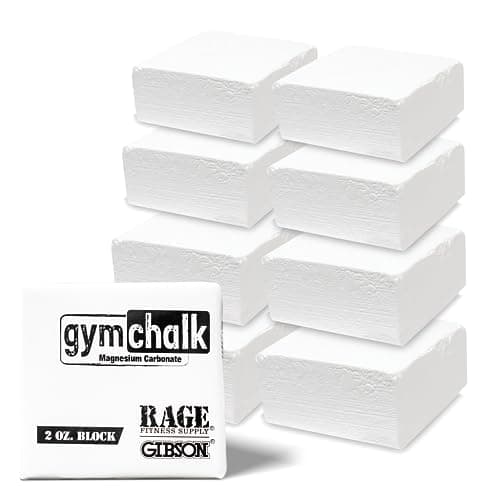
Rage Fitness Premium Gym Chalk, Pure Magnesium Carbonate Chalk for Excellent Grip, Weightlifting, Gymnastics, Rock Climbing - Block Chalk 1 LB
Balanced
4.0+

Rage Fitness Premium Gym Chalk, Pure Magnesium Carbonate Chalk for Excellent Grip, Weightlifting, Gymnastics, Rock Climbing - Block Chalk 1 LB

$17.99

Amazon
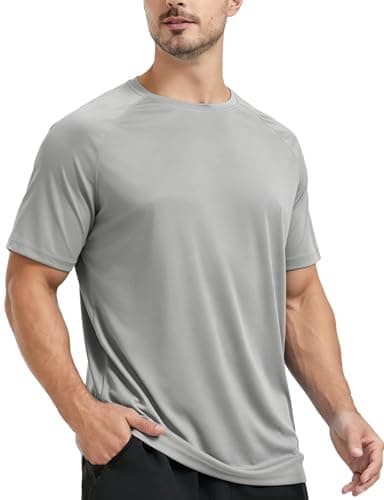
Upocool Men's UPF 50+ Swim Shirt Short Sleeve Sun Protection Water Shirt Quick Dry for Fishing Swimming Beach Light Grey L
Balanced
4.0+

Upocool Men's UPF 50+ Swim Shirt Short Sleeve Sun Protection Water Shirt Quick Dry for Fishing Swimming Beach Light Grey L

$18.99

Amazon
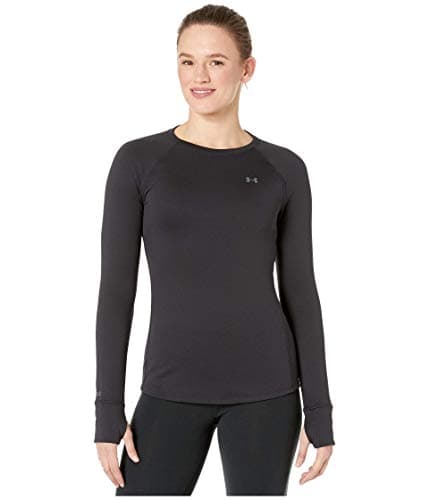
Under Armour Women's ColdGear® Base 4.0 Crew XL Black
Balanced
4.0+

Under Armour Women's ColdGear® Base 4.0 Crew XL Black

$69.55

Amazon
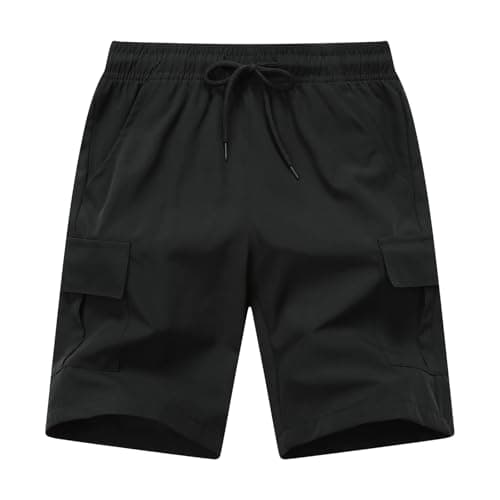
HONCAN Toddler Pull on Cargo Shorts, Outdoor Kids Youth Quick Dry Hiking Shorts, Lightweight Elastic Waist Athletic Short Pockets for Baby Boys(A0336-Black4T)
Balanced
4.0+

HONCAN Toddler Pull on Cargo Shorts, Outdoor Kids Youth Quick Dry Hiking Shorts, Lightweight Elastic Waist Athletic Short Pockets for Baby Boys(A0336-Black4T)

$9.99

Amazon

Frequently Asked Questions

What type of climbing shoes should a beginner buy?
Beginners should look for flat or neutral-profile climbing shoes with a rounded toe box and a moderate amount of stiffness. Aggressive, downturned shoes are designed for advanced climbers and are uncomfortable for the longer sessions that beginners typically need to build skill. Brands like La Sportiva, Scarpa, and Black Diamond all offer well-regarded beginner models. Aim for a snug fit with no dead space, but avoid sizing so tight that your toes are painfully curled — slight pressure is normal, but sharp pain is not.
Do I really need to buy my own harness, or is renting fine?
Renting is perfectly fine when you're just starting out, and it lets you try the sport without a big upfront investment. However, if you plan to climb regularly — even just a few times a month — buying your own harness is more hygienic and often more comfortable since you can adjust it precisely to your body. Entry-level harnesses from brands like Black Diamond, Petzl, and Mammut are affordable, typically ranging from $40 to $80, and are fully certified for gym use.
What is the difference between a chalk ball, loose chalk, and liquid chalk?
Loose chalk is the most traditional form and provides excellent coverage, but many gyms ban it because it creates a dusty mess. A chalk ball is a mesh pouch filled with fine chalk that dispenses smaller amounts with less dust, and it is accepted at most gyms. Liquid chalk is chalk suspended in alcohol — it dries on your hands and leaves a thin coating with virtually no airborne dust, making it the most gym-friendly option. Many climbers use liquid chalk as a base coat before a session and top it off with a chalk ball as needed.
What should I wear to an indoor climbing gym?
The best clothing for indoor climbing allows a full range of motion without being baggy enough to catch on holds or interfere with your harness. Stretchy athletic pants, leggings, or climbing-specific shorts work well for the lower body. For tops, fitted athletic shirts or lightweight long sleeves are ideal — avoid overly loose shirts that can bunch up. Look for fabrics with some spandex content for flexibility. You do not need any specialized climbing apparel to start; standard athletic wear from brands like Patagonia, Prana, or even general athletic retailers works perfectly.
How much should I expect to spend on a beginner indoor climbing setup?
A complete beginner setup typically costs between $150 and $300 depending on the brands and quality levels you choose. Climbing shoes generally run $70 to $120 for beginner models, a harness costs $40 to $80, a chalk bag costs $15 to $30, and chalk itself is around $5 to $15. Appropriate gym clothing can range widely depending on whether you already own suitable athletic wear. Starting at the lower end of each category is a smart approach since your preferences and climbing style will become clearer after a few months of regular climbing.

Want a cart customized to your exact needs?

Build your own custom cart →