What to Buy for Getting PADI Certified in Scuba Diving

Getting your PADI Open Water certification is an exciting milestone, and having the right personal gear from the start can make a significant difference in your comfort and learning experience. While most dive shops and training facilities provide tanks, regulators, and BCDs (buoyancy control devices) as part of the course, investing in your own mask, snorkel, fins, and wetsuit means you get equipment that fits you perfectly and that you can build familiarity with throughout your training. Ill-fitting rental gear is one of the most common sources of frustration for new divers, so owning your own foundational pieces is genuinely worthwhile.

When shopping for your first set of dive gear, fit and comfort should be your top priorities over brand names or advanced features. A mask that seals properly to your face without leaking, fins that match your foot size and swimming ability, and a wetsuit with the right thickness for your typical dive conditions will serve you far better than expensive gear that does not suit your body or diving environment. Most beginner divers benefit from low-volume masks for better visibility, open-heel fins paired with booties for versatility, and a 3mm to 5mm wetsuit depending on water temperatures in their area.

Before purchasing, it is highly recommended to visit a local dive shop where staff can help you test the fit of a mask against your face, size your fins correctly, and guide you toward a wetsuit thickness appropriate for your local waters. Many shops also offer student discounts for PADI certification candidates. Online purchases can save money, but sizing and fit are harder to judge remotely, especially for wetsuits and masks. Starting with quality entry-level gear from reputable brands like Cressi, Mares, Scubapro, or Aqualung will give you reliable equipment that can last well beyond your certification dives.

Cressi Pano 3 Mask
Balanced
4.8(19)

Cressi Pano 3 Mask

$29.95

Walmart - Bay 15
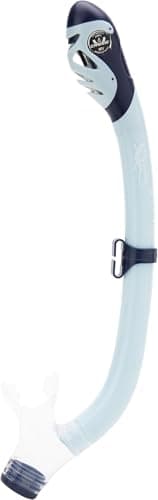
Cressi Supernova Dry Snorkel
Balanced
4.8(367)

Cressi Supernova Dry Snorkel

$24.95

Paragon Sports
Cressi Pluma Fins
Balanced
4.6(146)

Cressi Pluma Fins

$47.95

Scuba.com
Neosport by Henderson Neosport 3/2mm Men's Full Wetsuit
Balanced
4.5(162)

Neosport by Henderson Neosport 3/2mm Men's Full Wetsuit

$109.95

Scuba.com

Frequently Asked Questions

How do I know if a dive mask fits correctly?
To test a mask fit, place it against your face without using the strap and gently inhale through your nose. If the mask stays in place without you holding it, it has a good seal against your face. The skirt should sit comfortably on your forehead and cheeks without any gaps, and the mask should not press painfully on your nose or brow. Low-volume masks with a soft silicone skirt tend to fit and seal best for most face shapes, and trying several models in person at a dive shop is the most reliable way to find the right one.
What fin type is best for a beginner scuba diver?
For beginners, open-heel adjustable fins are generally recommended over full-foot fins. Open-heel fins are worn with neoprene dive booties, which add warmth, protect your feet on rocky entries, and allow the same pair of fins to fit even as your bootie thickness changes. Look for fins with a medium stiffness blade, as very stiff fins require more leg strength and can cause calf cramps for new divers. Popular beginner-friendly options include the Cressi Palau, Mares Avanti Quattro, and Atomic Aquatics split fins.
What wetsuit thickness do I need for my PADI course?
Wetsuit thickness depends primarily on the water temperature where you will be diving. A 3mm suit is suitable for warm tropical waters above 24°C (75°F), a 5mm suit works well for temperate waters between 18°C and 24°C (65°F to 75°F), and a 7mm suit or a drysuit is recommended for cold water below 18°C (65°F). For most open water certification courses done in moderate climates, a 5mm full wetsuit is the most versatile choice. Make sure the wetsuit fits snugly with no large gaps at the wrists, ankles, or neck, as excess water flushing through reduces warmth significantly.
Do I need a separate snorkel if I am learning scuba diving?
Yes, a snorkel is a required piece of safety equipment for your PADI Open Water certification. It allows you to conserve your tank air while resting or swimming on the surface before and after dives. For scuba divers, a simple and lightweight snorkel is preferable over bulky full-dry snorkels, since you will not be using it extensively underwater. Look for a semi-dry or basic J-style snorkel with a comfortable mouthpiece. Foldable or clip-on snorkels are popular with scuba divers because they can be tucked away neatly when not in use.
How much should I expect to spend on beginner scuba gear for my certification?
A quality set of entry-level personal scuba gear typically costs between $250 and $600 for the full set of mask, snorkel, fins, booties, and wetsuit. A decent beginner mask runs $40 to $100, a snorkel costs $20 to $50, fins range from $60 to $150, booties are $25 to $60, and a wetsuit typically costs $80 to $250 depending on thickness and brand. Buying a bundled package from a dive shop or online retailer can reduce the overall cost. Avoid the very cheapest options as they often use lower-quality silicone and materials that wear out quickly or fit poorly, which matters a lot when you are underwater.

Want a cart customized to your exact needs?

Build your own custom cart →