What to Buy for Learning to Snowboard This Winter
Learning to snowboard is an exciting milestone, and having the right gear from the start can make a significant difference in your progression and overall experience on the mountain. As a beginner, you don't need the most advanced or expensive equipment on the market, in fact, gear designed specifically for beginners tends to be more forgiving, which helps you develop proper technique without fighting your equipment. The four core items you'll need are a snowboard, boots, bindings, and protective gear, each of which plays a distinct role in keeping you comfortable, safe, and in control.
When selecting a beginner snowboard, look for a softer flex rating, which makes it easier to turn and control at lower speeds. A 'all-mountain' or 'freestyle' board with a directional or twin-tip shape is ideal for learning the basics. Boots should fit snugly without pinching, with a soft to medium flex to allow ankle movement while still providing support. Bindings should be compatible with your boots and board, and most beginner setups use strap bindings, which are easy to adjust and widely available. Buying a board, bindings, and boots as a package deal (often called a 'bundle') can save money and ensures compatibility across components.
Protective gear is non-negotiable for beginners, who are statistically more likely to fall than experienced riders. A properly fitted helmet is the most critical safety item you can own. Wrist guards are highly recommended since the instinct to catch yourself during a fall puts enormous stress on your wrists, making wrist fractures one of the most common snowboarding injuries. Padded shorts for tailbone and hip protection, as well as knee pads, round out a solid protective kit and can save you from painful bruises during those early learning sessions.
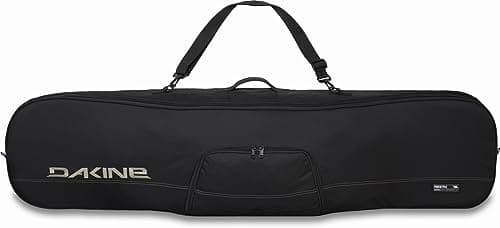
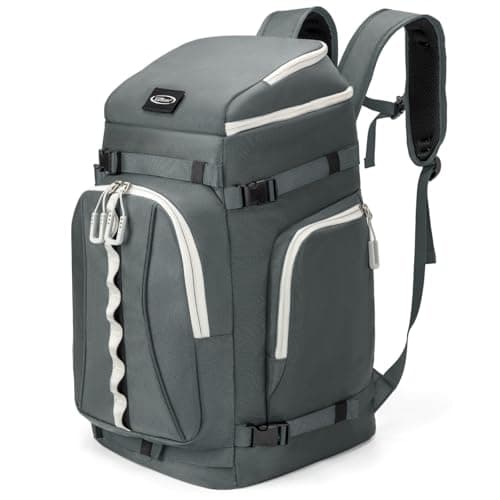
Lunidry Ski Boot Bag, 65L Waterproof Ski Bag & Snowboard Boot Bag, Travel Backpack for Skis Snowboard Helmet Goggles & Accessories
$33.99
Amazon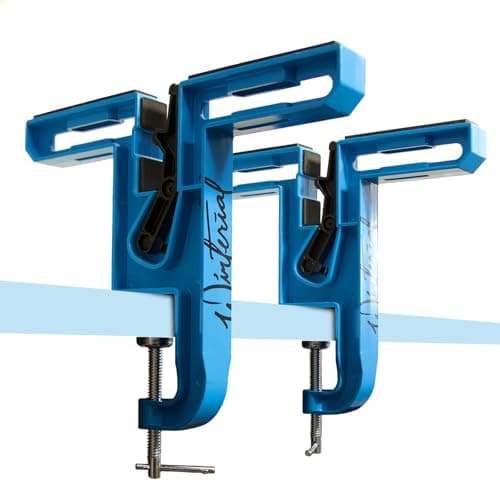
Winterial Snowboard and Ski Vise, Set of Two Non-Slip Vice Grips with Horizontal Vertical Working Positions for Tuning, Repair and Waxing/Rubber Brake Retainers and Secure Board Grip Arm
$84.99
Amazon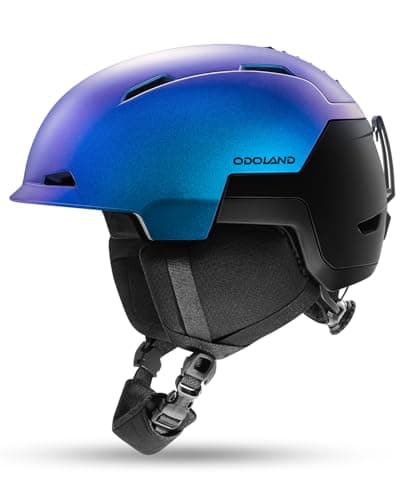
Odoland Ski Snowboard Helmet for Adults & Youth, Snow Helmet for Men & Women, Slide Adjust Ventilation, Safety Certified, Goggles Compatible Protection for Skiing, Navy Blue, L
$29.99
Amazon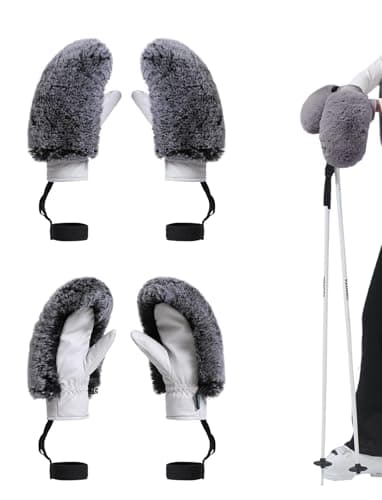
GSOU SNOW Women Ski Gloves Snowboard Gloves Faux Fur Palm Sheepskin Warm for Winter
$9.99
Amazon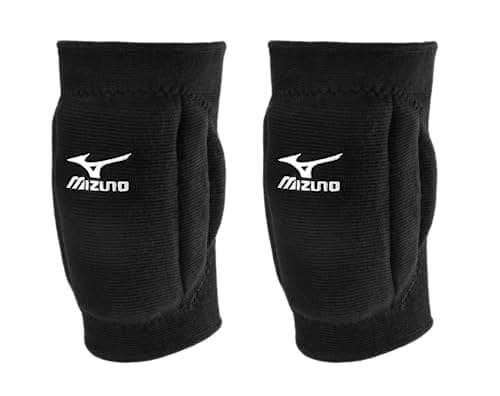
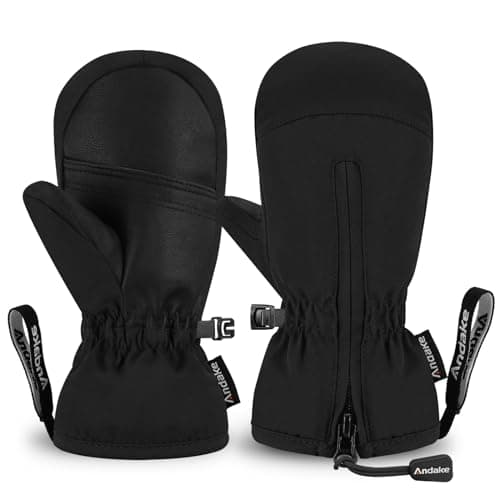
Andake Kids Ski Mittens Gloves Waterproof&Breathable Winter Warm Snow Gloves for Ages 1-10 Toddler Baby Girls and Boys(Black,XXXS(Fits 2-4Y))
$19.99
Amazon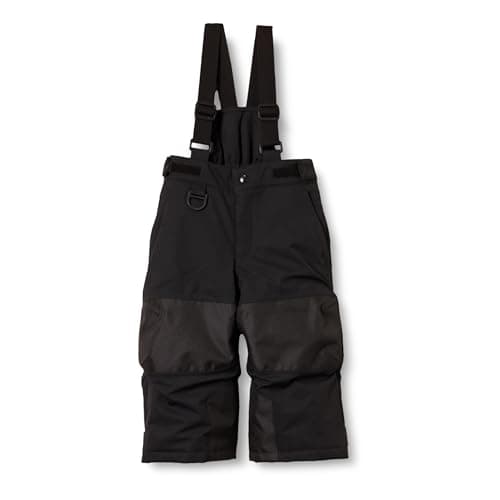
Amazon Essentials Unisex Kids' Insulated Breathable Ski & Snow Pants, Black, Medium
$28.50
AmazonFrequently Asked Questions
How much should a beginner expect to spend on a complete snowboard setup?▼
Should I buy or rent snowboard gear as a beginner?▼
How do I know what size snowboard to buy?▼
What protective gear is most important for a beginner snowboarder?▼
Are beginner snowboard boots different from regular snowboard boots?▼
Want a cart customized to your exact needs?
Build your own custom cart →