What to Buy for Trail Running: Shoes, Hydration Vests, and Safety Gear
Trail running is one of the most rewarding ways to explore the outdoors, combining the cardiovascular benefits of running with the mental refreshment of being in nature. Unlike road running, however, hitting the trails demands specialized gear that can handle unpredictable terrain, variable weather, and distances that may take you far from civilization. Investing in the right equipment from the start will not only improve your performance but also help keep you safe on rugged paths and remote routes.
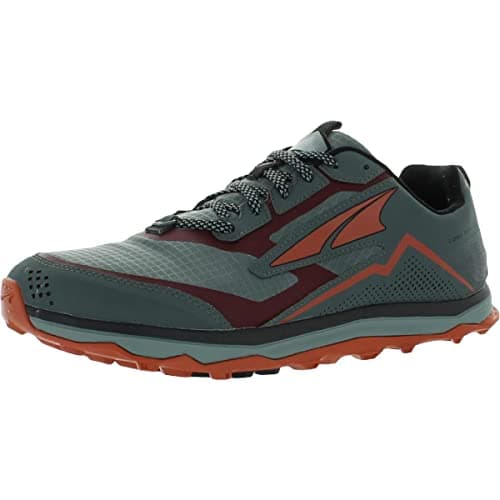
When choosing trail running shoes, the most important factors to consider are grip, stability, and protection. Look for outsoles with deep lugs for traction on muddy or rocky surfaces, a reinforced toe cap to protect against roots and rocks, and enough cushioning to handle long descents. Brands like Salomon, Hoka, Brooks Cascadia, and Altra are popular among trail runners for good reason. Your choice should also factor in the type of terrain you plan to run, softer, muddier trails call for more aggressive lugs, while hardpack and rocky terrain benefits from firmer, more protective midsoles.
Beyond footwear, a well-fitted hydration vest is essential for any run lasting more than an hour, allowing you to carry water, nutrition, and emergency supplies without restricting your movement. Safety gear should never be an afterthought, items like a whistle, emergency blanket, headlamp, and a basic first aid kit can be lifesaving if you get injured or lost. Many trail running vests come with dedicated pockets for exactly these items, making it easy to build a comprehensive kit. Start simple, learn what works for your local trails, and gradually refine your setup as your experience grows.
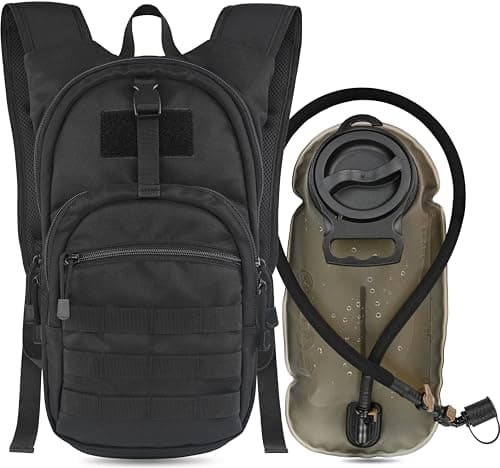
MARCHWAY Tactical Molle Hydration Pack with 2.5L TPU Water Bladder, Low-Profile Organized Military Backpack for Hiking, Cycling, Backpacking, Hunting, Running (Black)
$33.14
Amazon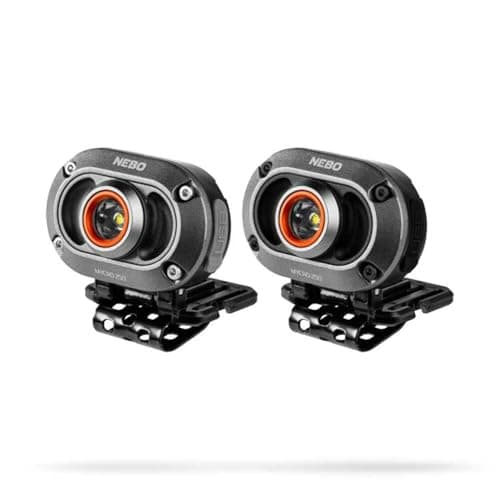
NEBO MYCRO 250 Rechargeable Headlamp | 250 Lumens, 3 Light Modes, Water Resistant, Adjustable Strap, Super Bright Head Lamp for Camping & Hiking, Includes USB Charging Cable — 2 Pack
$25.29
Amazon
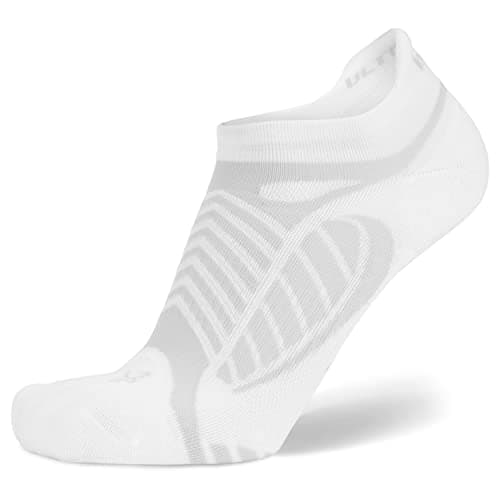
Balega Ultralight Lightweight Performance No Show Athletic Running Socks for Men and Women (1 Pair), White/Space Gray, Medium
$18.00
Amazon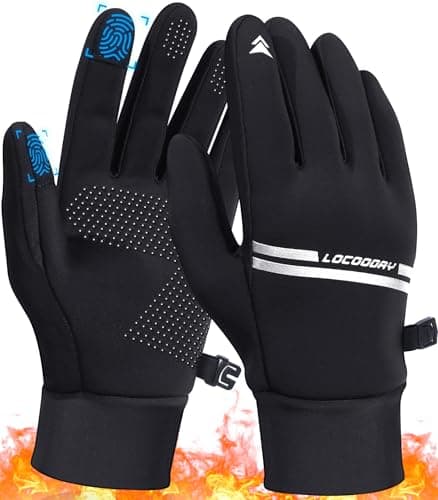
LOCOODAY Winter Gloves for Men Women - Windproof,Anti-Slip,Warm,Soft,Touch Screen,Splash Proof Gloves for Driving,Running
$12.99
Amazon
Frequently Asked Questions
What should I look for in my first pair of trail running shoes?▼
How much water capacity do I need in a hydration vest?▼
What safety gear is essential for trail running?▼
Do I need a GPS watch for trail running?▼
How do trail running shoes differ from regular running shoes?▼
Want a cart customized to your exact needs?
Build your own custom cart →