What to Buy for Starting a Woodworking Hobby
Woodworking is one of the most rewarding hobbies you can pick up, offering the satisfaction of creating functional and beautiful objects with your own hands. Whether you want to build furniture, craft small decorative pieces, or tackle home improvement projects, having the right set of tools from the beginning will make your learning experience safer, more enjoyable, and far less frustrating. The good news is that you don't need to spend a fortune to get started, a focused collection of quality basics will take you further than a garage full of mediocre equipment.
When building your first toolkit, it helps to think in two categories: hand tools and power tools. Hand tools like chisels, hand saws, marking gauges, and mallets develop your foundational skills and give you precise control over your work. Power tools like a circular saw, random orbital sander, and cordless drill dramatically speed up your work and open the door to larger, more ambitious projects. Most beginners benefit from starting with a blend of both, using hand tools to learn technique and power tools to handle repetitive or heavy-duty tasks.
Before buying anything, consider your workspace, budget, and the types of projects you want to build. A small apartment workshop has different needs than a dedicated garage space. It's generally better to buy fewer, higher-quality tools than to fill your bench with cheap options that wear out quickly or produce poor results. Brands like Stanley, Irwin, Dewalt, Bosch, and Makita are consistently recommended by hobbyists and professionals alike for their durability and value.
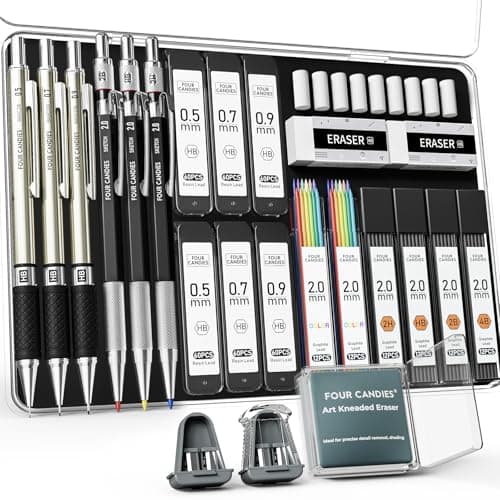
Four Candies 25PCS Mechanical Pencil Set with Case, Art Supplies with Metal Pencil 0.5, 0.7, 0.9 mm & 3PCS 2mm (HB 2H 2B 4B Color) & 432 Graphite Lead Refills, Technical Drawing Kit for Teen & Adults
$13.99
Amazon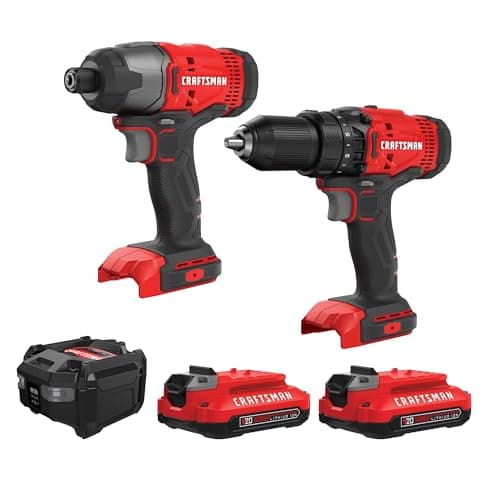
CRAFTSMAN V20 MAX Cordless Drill Driver and Impact Driver Set, Power Tool Set with 2 Batteries and Charger, LED Work Light, 2 Bits, Bag (CMCK200C2)
$99.00
Amazon
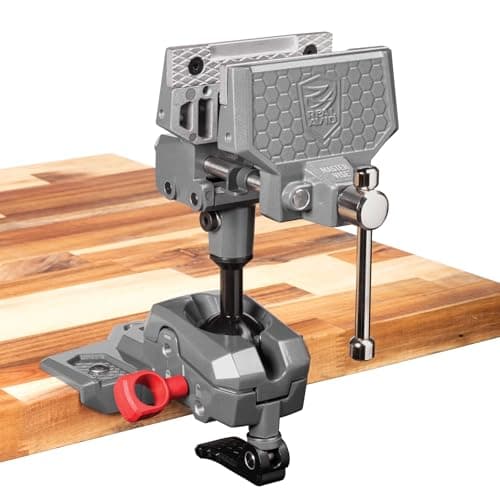
Real Avid Vise - 360° Swiveling Bench Vise for Optimal Positioning, Versatile Applications, 5" Jaw Width Vise for Cleaning, Maintenance, Woodworking & More High-Torque Applications up to 100 ft-lb
$281.99
Amazon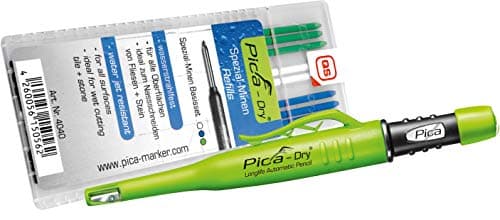
Pica 3030 + 4040 Dry Pen including Special Lead Base Set, Carpenter's Pencil, Green, Blue, White
$21.99
Amazon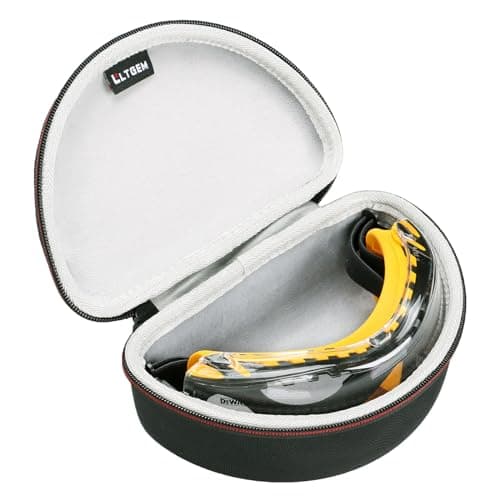
LTGEM Safety Glasses Case for Dewalt DPG82/DPG82-11/DPG82-11C/DPG82-11D/DPG82-21/DPG82-21C/DPG82-21D/DPG84, Grey (Case Only)
$13.99
Amazon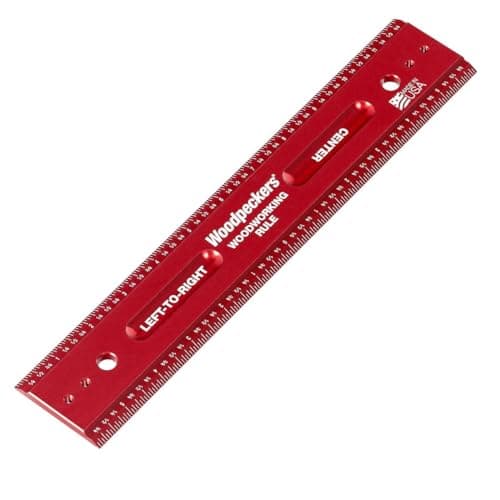
Woodpeckers Woodworking Rule, 12 Inch, L2R & Center Laser Engraved Scales, USA Made Precision Aluminum Woodworking Ruler with Beveled Edges
$39.99
AmazonFrequently Asked Questions
What are the most essential hand tools a beginner woodworker should buy first?▼
What power tools should a beginner woodworker buy?▼
How much should a beginner expect to spend on a starter woodworking toolkit?▼
Do I need a workbench before I start woodworking?▼
What safety gear should a beginner woodworker buy?▼
Want a cart customized to your exact needs?
Build your own custom cart →